HBC Outpost Ready for Celebration

the fort 2 (2)

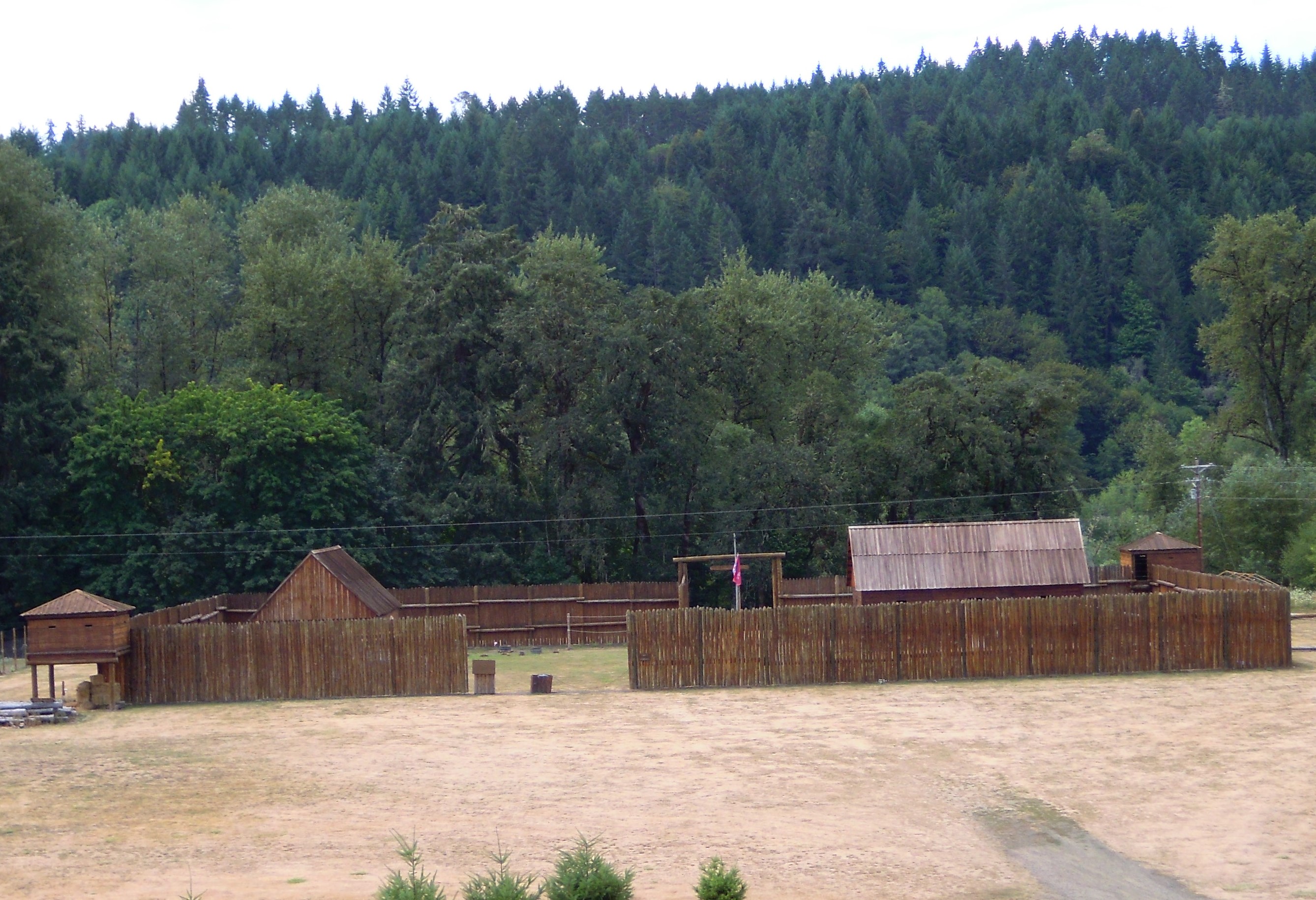
Nestled on the bank of Oregon’s Umpqua River, this replica of the British Hudson’s Bay Company’s Fort Umpqua will come to life in a couple of weeks for the annual Fort Umpqua Days celebration at Elkton. The event will run all day Saturday and Sunday, September 3 and 4, and I’ll have a booth there to sell my books.
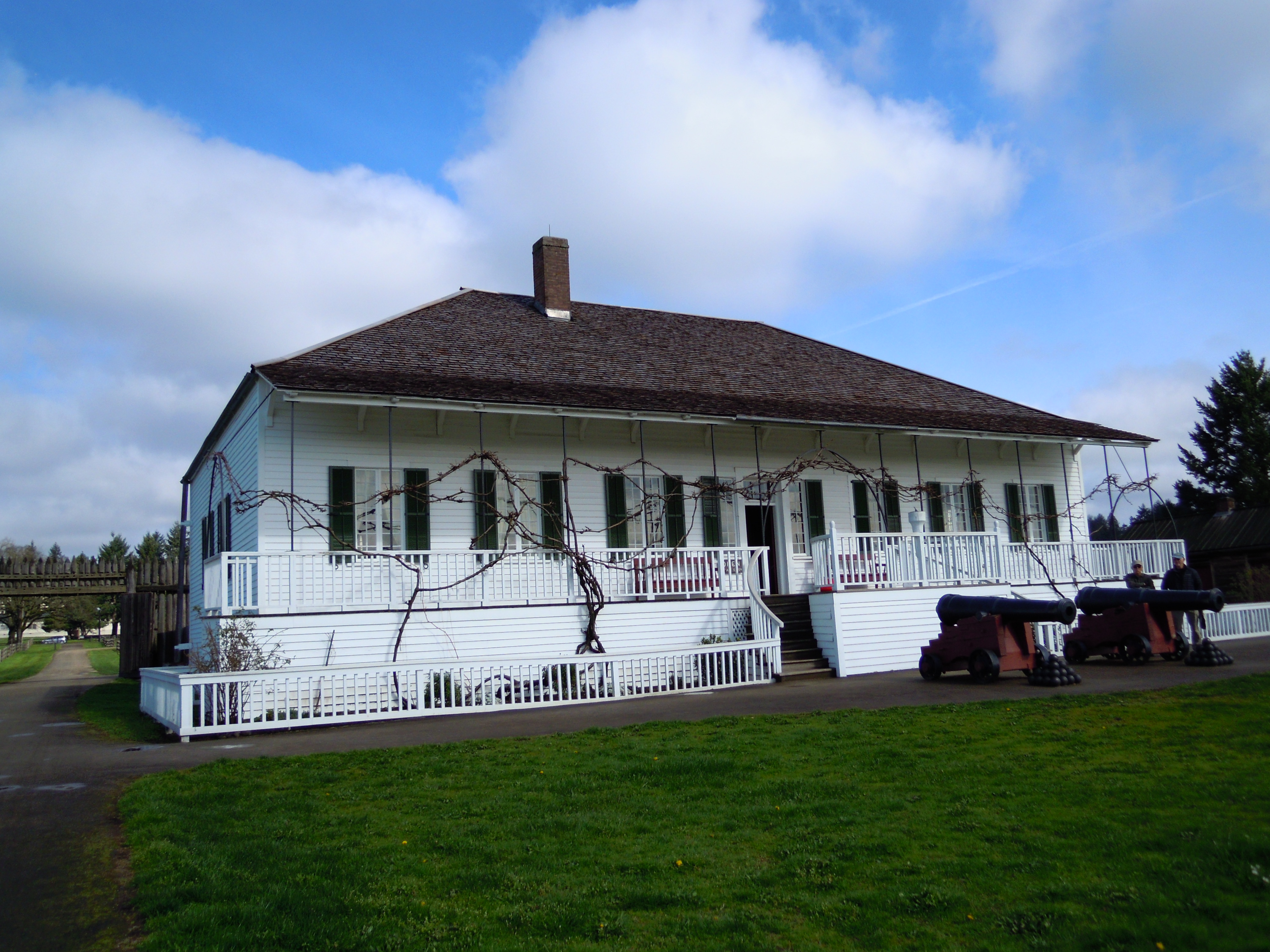
Just last month I stepped into the historic past of the Hudson’s Bay Company’s western headquarters at Fort Vancouver on the Columbia River, touring the commander’s house, among other structures there. So I see this Umpqua outpost with new perspective.

I’ve attended Fort Umpqua Days celebrations every year since I returned to the family farm near Elkton in 2009, joined the writing team for the event’s pageants, and had a booth the last two years there to sell my first book A Place of Her Own. Still, I feel a difference this year after my event at Fort Vancouver in July where I presented my new book The Shifting Winds, which has many scenes at that HBC headquarters.

Before the Fort Vancouver event I wrote a series of posts for this blog called “The TRUE Shifting Winds,” giving an overview of history leading to the days of my book and the fort’s part in it. Fort Umpqua doesn’t appear in the story, but for me the enhanced sense of Hudson’s Bay Company history wraps Fort Umpqua into the fold.

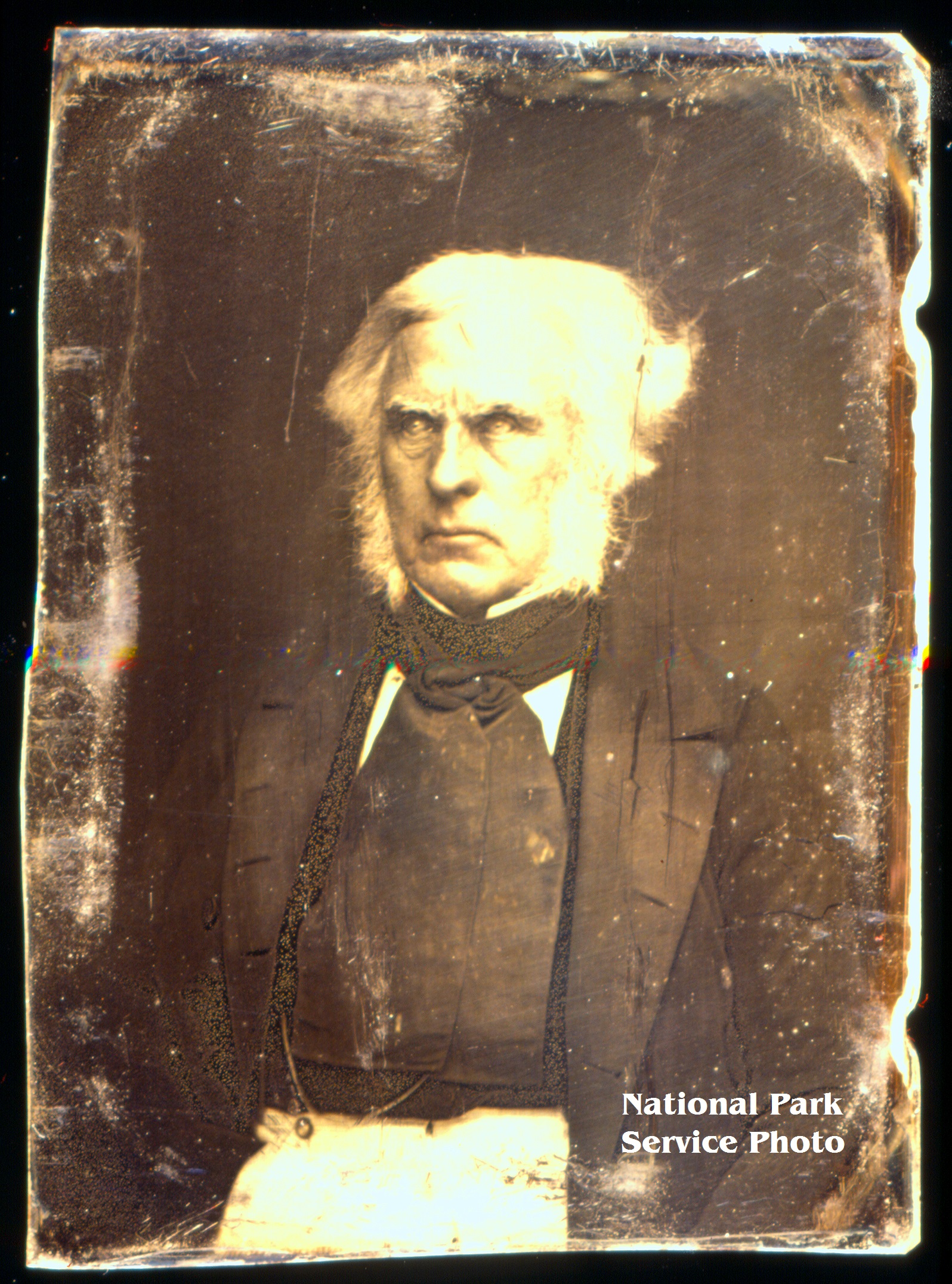
Dr. John McLoughlin, shown in this daguerreotype, commanded the efforts of the British HBC fur trading empire in the Oregon Country. Photo courtesy of National Park Service.

McLoughlin had been at Fort Vancouver only a year or so when he decided to push south through the Umpqua basin with brigades of trappers. Those expeditions into the southern region became annual events–and rather colorful.
Author John A. Hussey quotes Editor Alice Bay Maloney in describing them:

At the head of the brigade rode the leader, a chief trader [or clerk] of the Hudson’s Bay Company, astride a strong limbed Nez Perce horse and armed to the teeth with the best weapons of the day. Directly behind him rode his Indian wife gaily attired in the finest London broadcloth, with a wide-brimmed, feather-trimmed hat atop her wealth of long, shining black hair…. All the men were clad in deerskin….

Hussey adds a description of the brigade by an unnamed priest who wasn’t quite as impressed: “‘The brigade,’ he wrote, ‘is a hideous assemblage of persons of both sexes, devoid of principles and morals,’ and possessed of ‘revolting exteriors.'”

In any case it was during one of these expeditions that members of the brigade selected a site on the Umpqua River they thought would be a good outpost for trade with the local tribes. McLoughlin, concerned about competition from American trappers, wanted to clear the area of beaver and establish a strong foothold.

The Hudson’s Bay Company built Fort Umpqua in 1836, and it served the Company well for more than a decade, even after the boundary settlement between Britain and the United States gave the land to the U.S. in 1846. The photo below shows the interior of the reconstructed Fort Umpqua with the HBC flag flying again.

In the next two weeks I’ll write a few more posts about the Hudson’s Bay Company trade in the Oregon Country and about the reconstruction of their southern outpost as the Fort Umpqua Days celebration nears.

Hussey, John A. Champoeg: Place of Transition. Portland, OR: Oregon Historical Society, 1967.
Maloney, Alice Bay (ed.). Fur Brigade to the Bonaventura, John Works California Expedition, 1832-1833 … San Francisco, CA, 1945.

COMMENT

COUNTDOWN – 1 DAY TO LAUNCH

The Elkton Connection

The launch of The Shifting Winds happens in Elkton because it’s my hometown—at least the closest town to the farm where I live. So on this last day of my countdown to launch with historic factoids, I want to bring the history home.

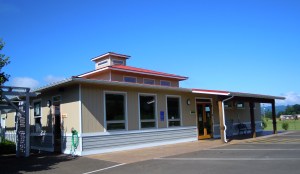
The story of The Shifting Winds does not come this far south, but there is a connection. Chief Factor Dr. John McLoughlin, who we know from the story, sent men to the Umpqua to find a place for a Hudson’s Bay Company post, and Fort Umpqua was built in 1836, a few years prior to our story timeline. The fort became the southernmost outpost of the HBC, and a fine replica, shown below, was built a few years ago a short way downriver from the original site. That replica is on the ECEC grounds, just down the hill from the library where my book launch will take place tomorrow afternoon.

DSCN0429

In more recent years Elkton has been designated an American Viticultural Area, and wine and book signings often go together. So we’ll be serving wine at the launch, compliments of Jim Wood, formerly of Napa Valley and now an Elkton resident. Jim will provide selections from the local Brandborg Winery and Hundredth Valley Winery, as well as from a Napa Valley winery that used grapes from his own Wood family vineyards in Napa Valley. The local Wood family is actively working with vineyards now in the Elkton area. Members of Jim’s immediate family will be on hand along with Jim to help out at the book launch, his son Nathan, Nathan’s friend Casey Zarnes, and Jim’s daughter-in-law Sarah Wood, wife of son Chad. My sincerest thanks for their generosity.

History doesn’t tell us if grapes were grown at the Fort Umpqua outpost, but the first grapes in Oregon were planted back at headquarters in Fort Vancouver in 1825. There’s a fun story about how that happened. At a party in London a lady tucked a few grape seeds and apple seeds in the vest pocket of a gentleman planning to visit the Oregon country, and she suggested he take them to Oregon on his upcoming trip. Depending on which version of the story you read, the gentleman was either HBC Governor George Simpson or his cousin Lieutenant Emilius Simpson. Histories often challenge the researcher with these uncertainties. At any rate, when one of these Mr. Simpsons arrived in Oregon in 1825 he gave Dr. McLoughlin the somewhat dried seeds. Dr. McLoughlin happily planted them, and they grew, becoming the start of Fort Vancouver’s first vineyard, as well as the first apple tree in the region.

Music seems to follow wherever people go, and the American settlers and the British of Fort Vancouver were no exceptions. Violins and guitars and other instruments came over the Oregon Trail, and at Fort Vancouver back in the day you might have heard Scottish melodies mingling with French-Canadian songs, or one of those new waltzes which were still scandalizing some folks in the States—though the dance was popular in Britain and France long before our story and was starting to be accepted in some of the more forward-looking eastern cities in the States. At the book launch party we’ll be privileged to hear Andrew Arriaga, Elkton school music teacher, offering background guitar music. Thanks to Andrew for sharing his wonderful talent with us.

ECECSo, tomorrow it is. The launch of The Shifting Winds, my debut historical novel. That’s Sunday afternoon, March 6, from 2 to 4 in the ECEC Library just west of Elkton, by the butterfly pavilion. Welcome to my celebration!

🙂

COMMENT

Stepping into History

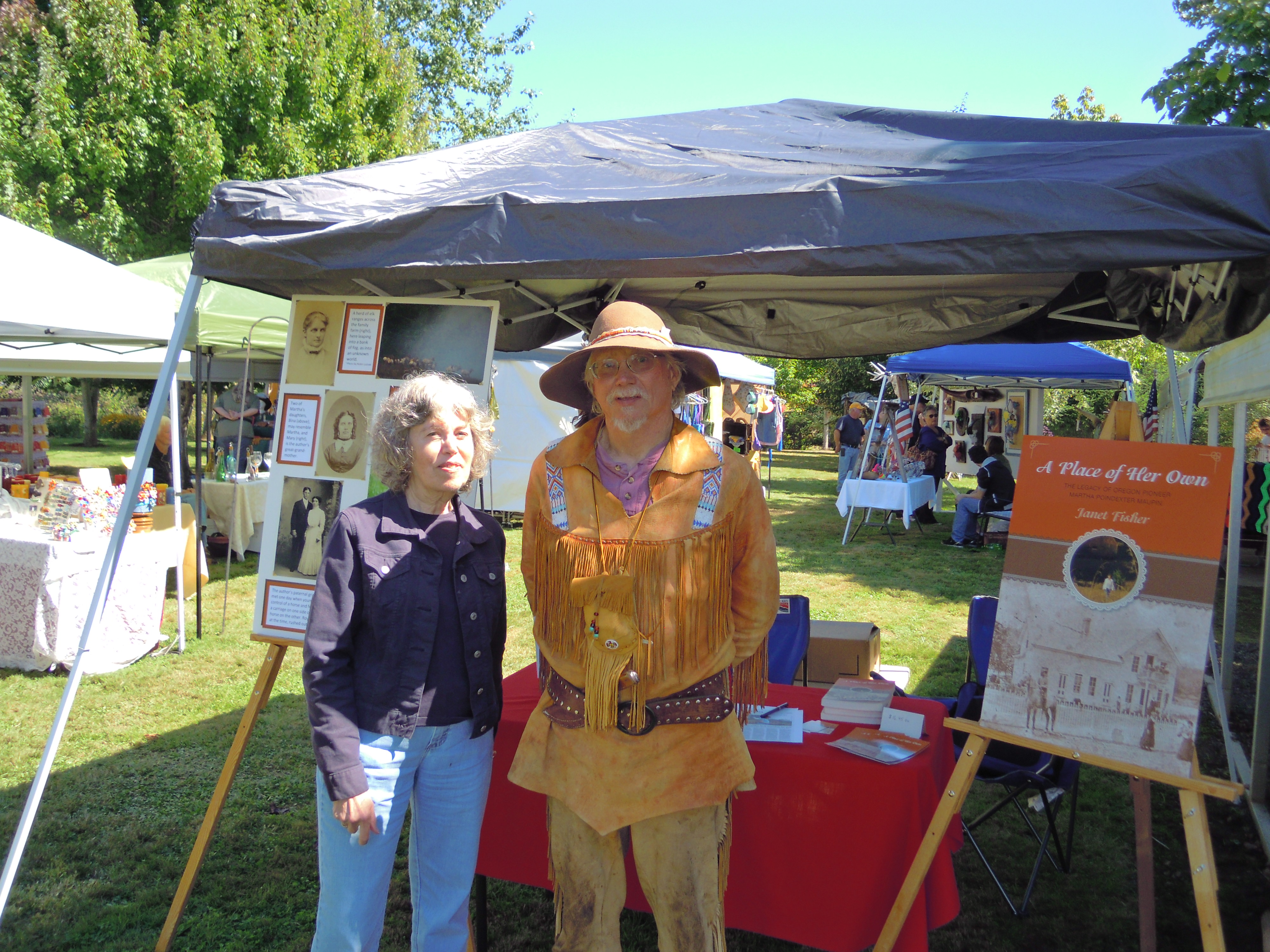
Mt. ManI was selling books outside Fort Umpqua today when a mountain man appeared. He’s one of our local mountain men from nearby Drain, Oregon, Ken Putnam. I had to admire his fancy fringed buckskins, and he agreed to have his picture taken by my booth.

Meanwhile, a few shots rang out from the black powder rifles other mountain men were shooting next to the fort.

It’s quite an event, giving locals a chance to step back into history for a couple of days to imagine what life must have been like in the days of the fort, back in the mid-1800s. And some like Ken get right into the spirit of it.

I especially find all this interesting, given the settings of my books. In Shifting Winds, which comes out in April, a couple of mountain men play significant roles, including one real-life character, the legendary Joe Meek. I do have fun portraying Joe with his storytelling and bravado.

Today was a fine day with perfect weather, the world nicely washed after yesterday’s rain, and we’ll be back at the fort again tomorrow, Sunday the 6th, looking into our wild and woolly past.

COMMENT

Tasting Local History

DSCN0429It’s time for Fort Umpqua Days again, an annual event in my hometown of Elkton, Oregon, when we honor our past and have some fun doing it. It’s Labor Day weekend, Saturday and Sunday, September 5 and 6, pretty much all day, at the Elkton Community Education Center just west of town.

The photo above shows the massive gates for the reconstructed Fort Umpqua, which was the southernmost fort of the British Hudson’s Bay Company in the 19th century. Thanks to the dedication of local people this fort was reconstructed with an eye to authenticity so folks can get a glimpse of life back then.

I’m particularly interested in the period because I write about it. In my first book, A Place of Her Own, my great-great-grandmother comes to Elkton near where the fort stood. The fort has fallen by the time she gets there and the British have left the area following the 1846 settlement of a boundary at the 49th parallel. However, conditions haven’t changed dramatically. It’s a part of her immediate history. And in my next book, a novel called The Shifting Winds, the story opens in 1842 when Oregon was still contested territory between the British and the Americans, and tensions stirred rumors of war. In my story a triangle romance parallels the conflict, when two young men, a Hudson’s Bay Company clerk and an American mountain man, vie for the protagonist, a young pioneer woman who never wanted to leave her New York home in the first place.

So I revel in events like this that help bring history alive. Also, I serve on the writing committee for the annual pageant that’s performed both nights of the event, where we bring out a little history with a bit of humor and music and dance and a whole lot of fun. During the day there are games for the kids down at the fort, crafts for sale, food, black powder demonstrations by our own mountain men, and more.

I’ll have a booth both days where I’ll be selling and signing copies of A Place of Her Own, from 10 a.m. to 5 p.m. If you’re in the neighborhood, welcome to a dip into our past.

COMMENT