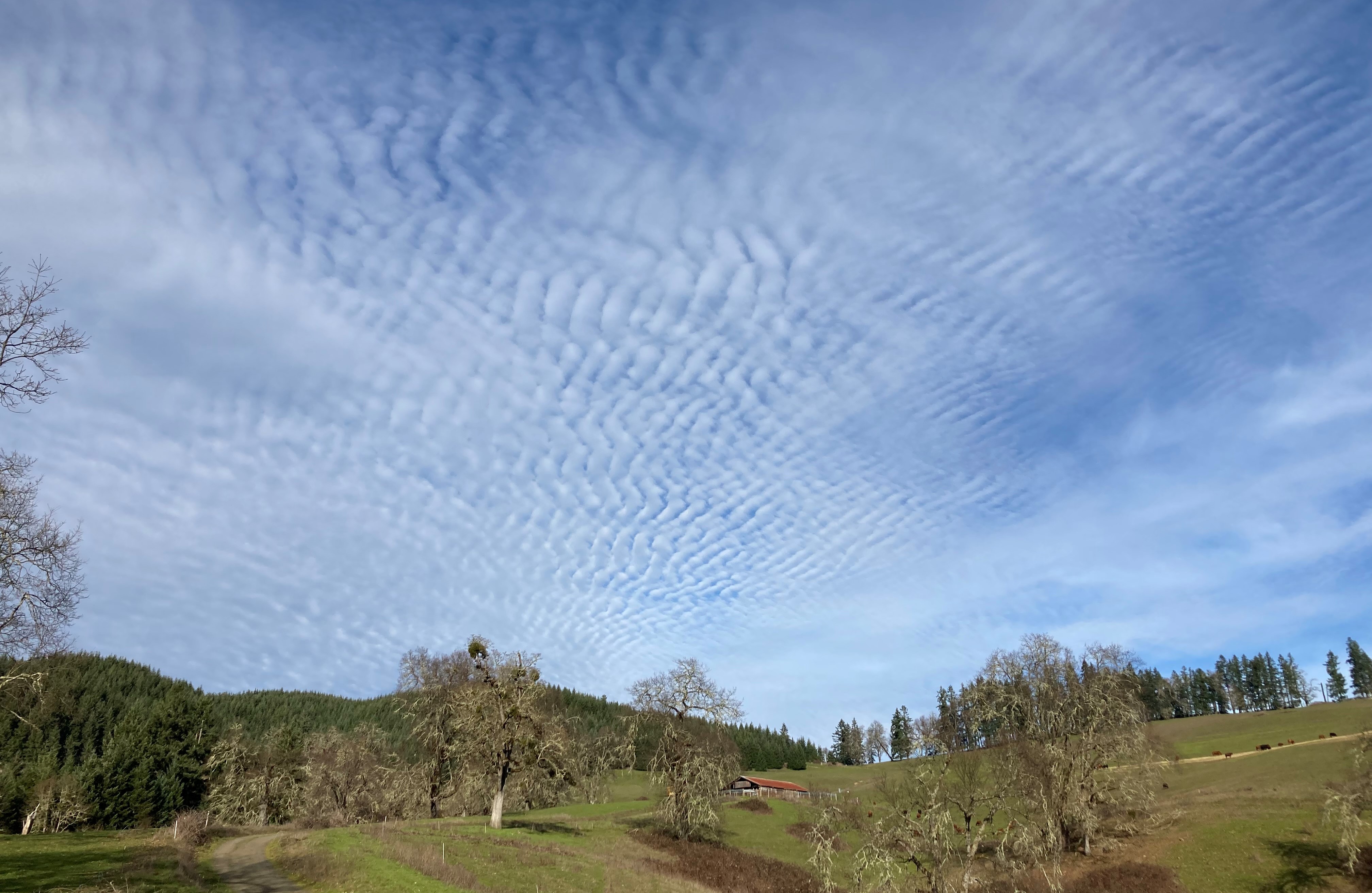
On a beautiful day at Florence, Oregon, on the Oregon Coast, lovers of story gathered together yesterday to celebrate the work of the tellers who write them down.
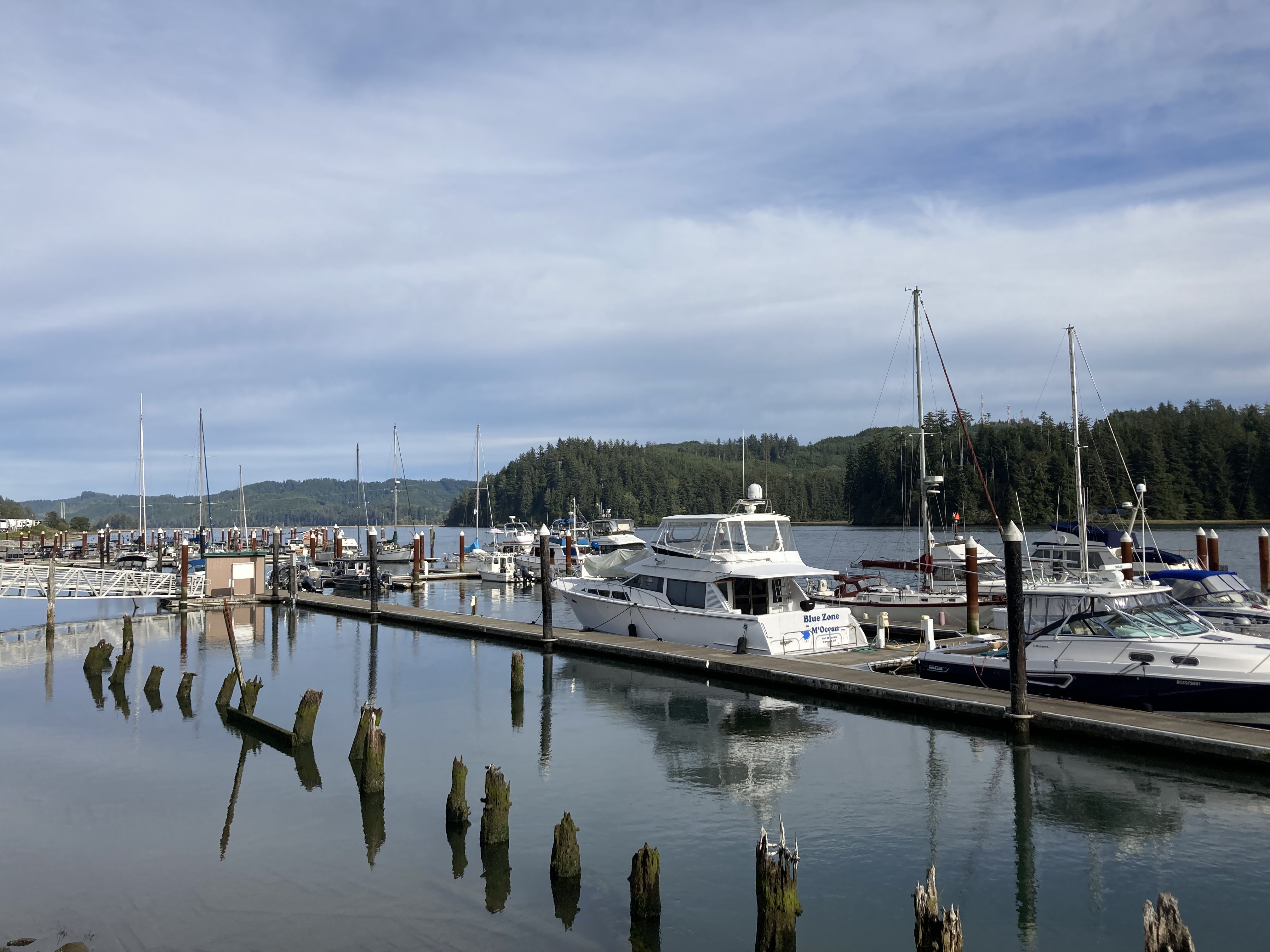
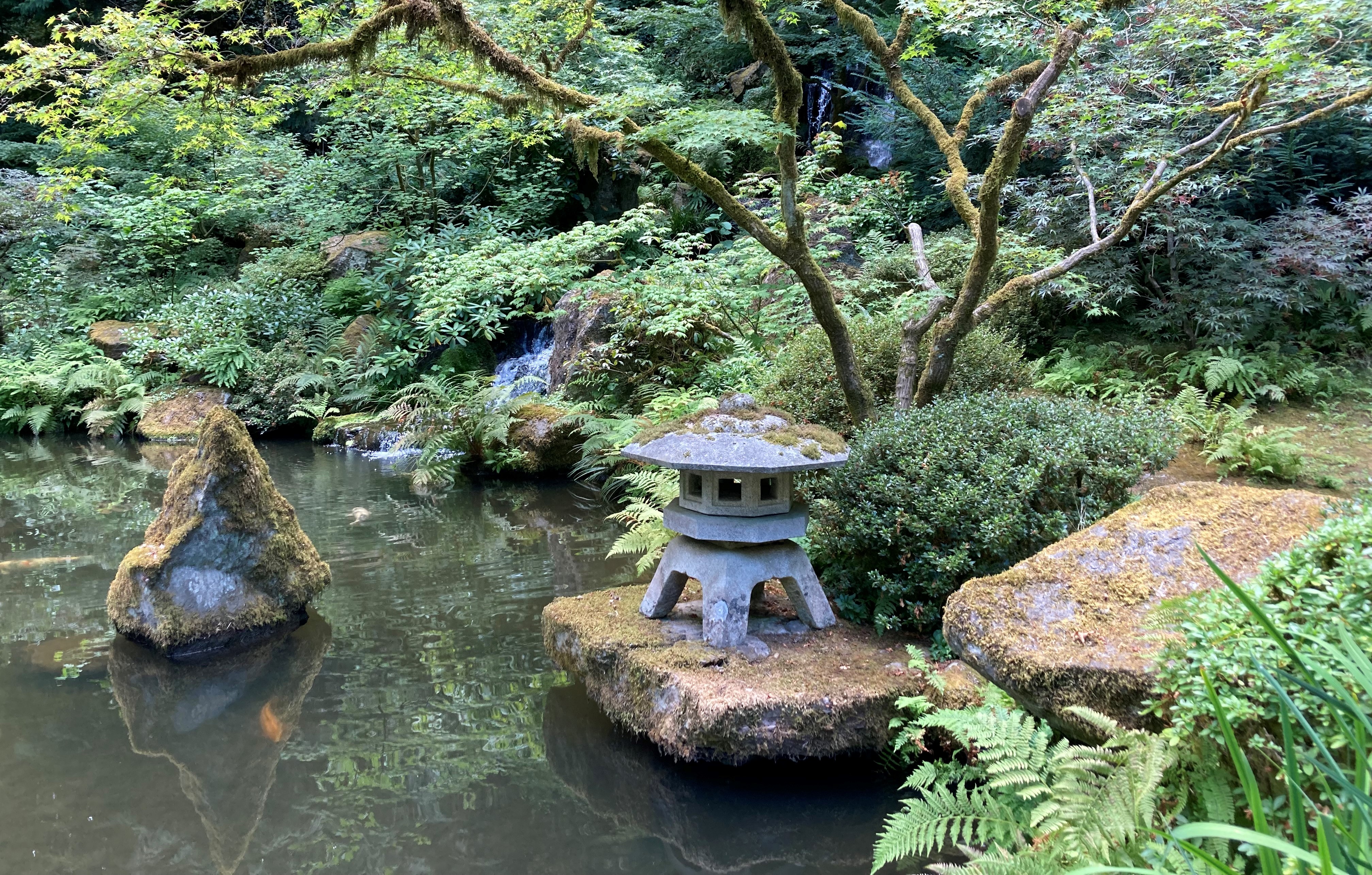
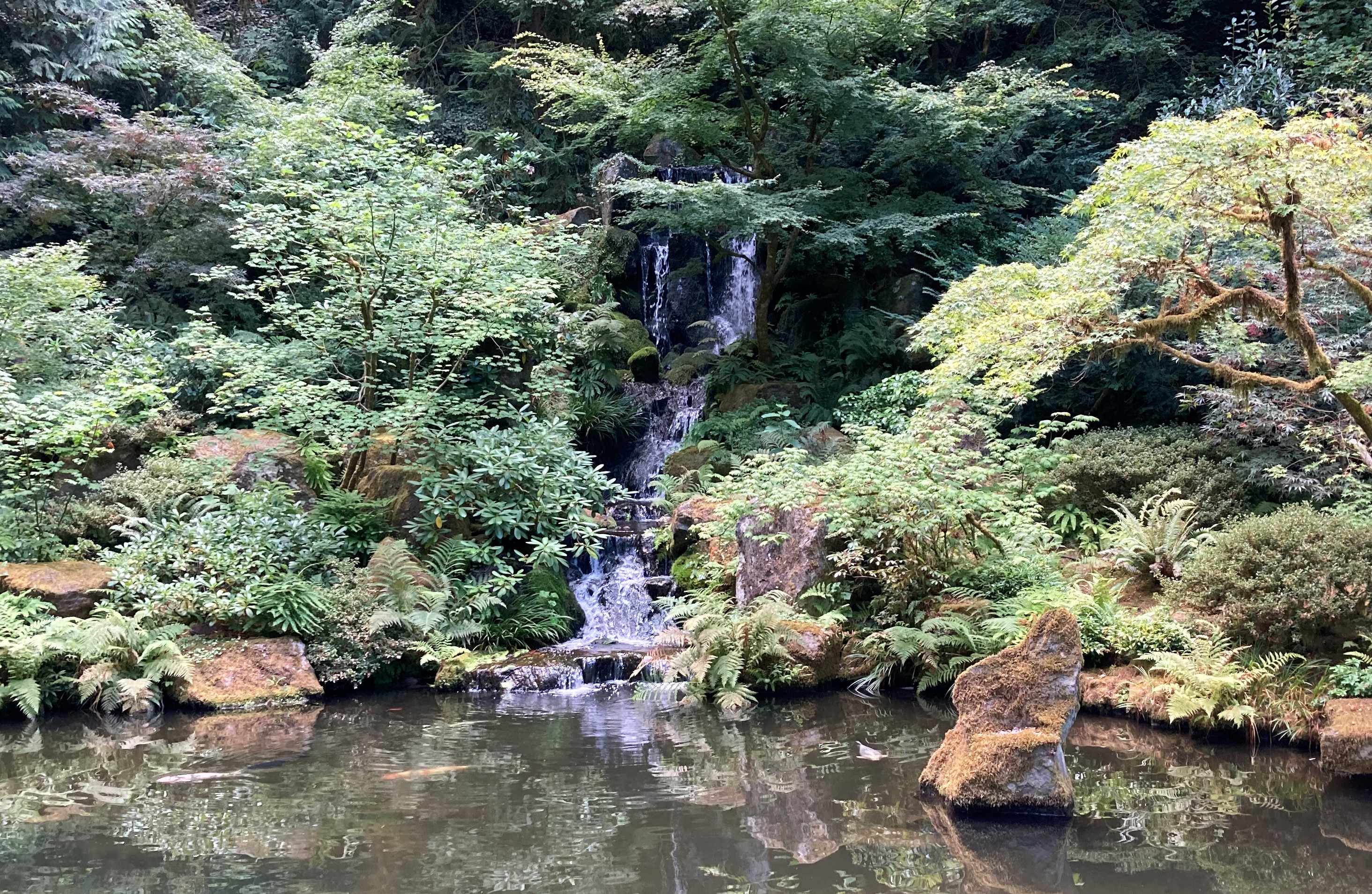
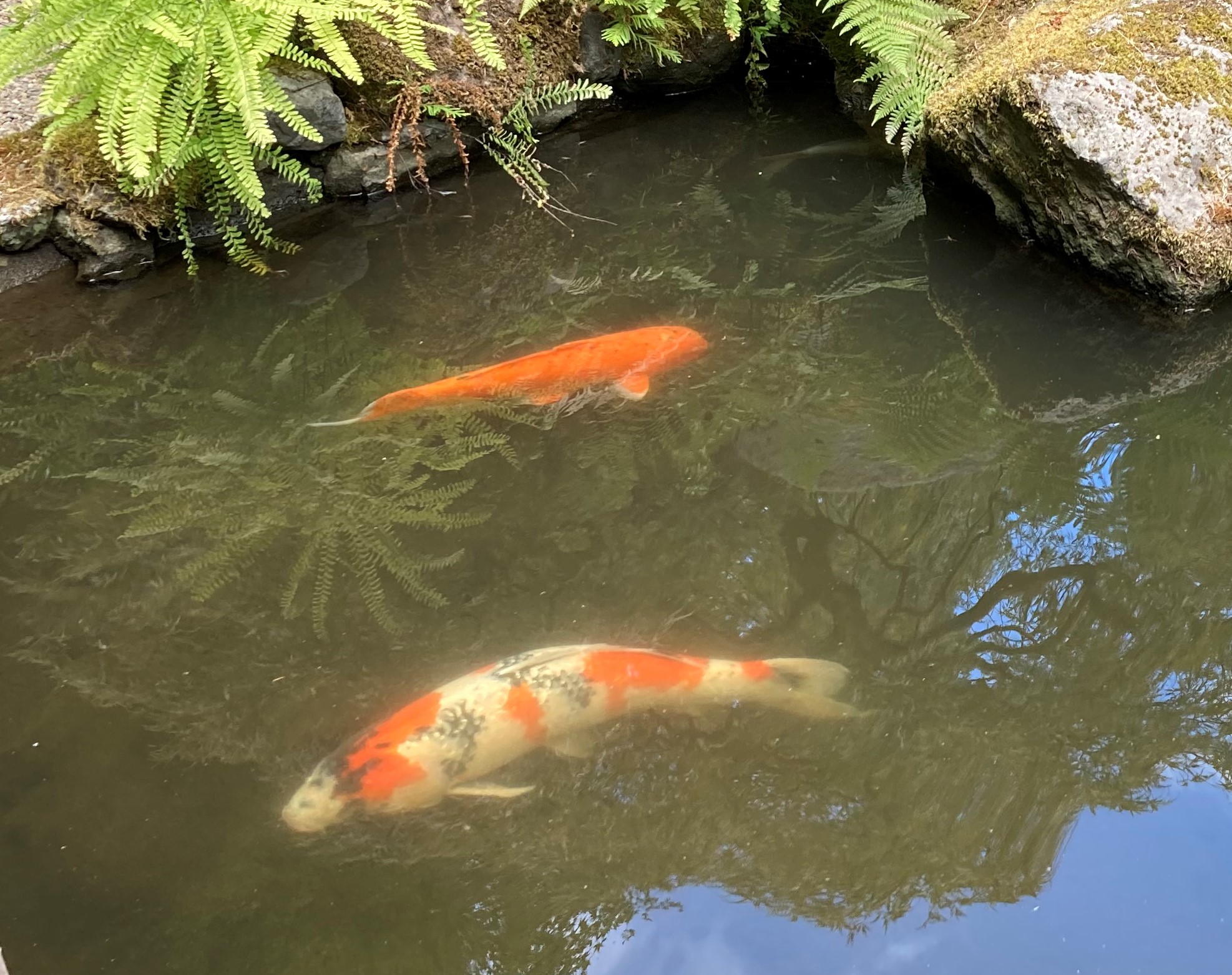
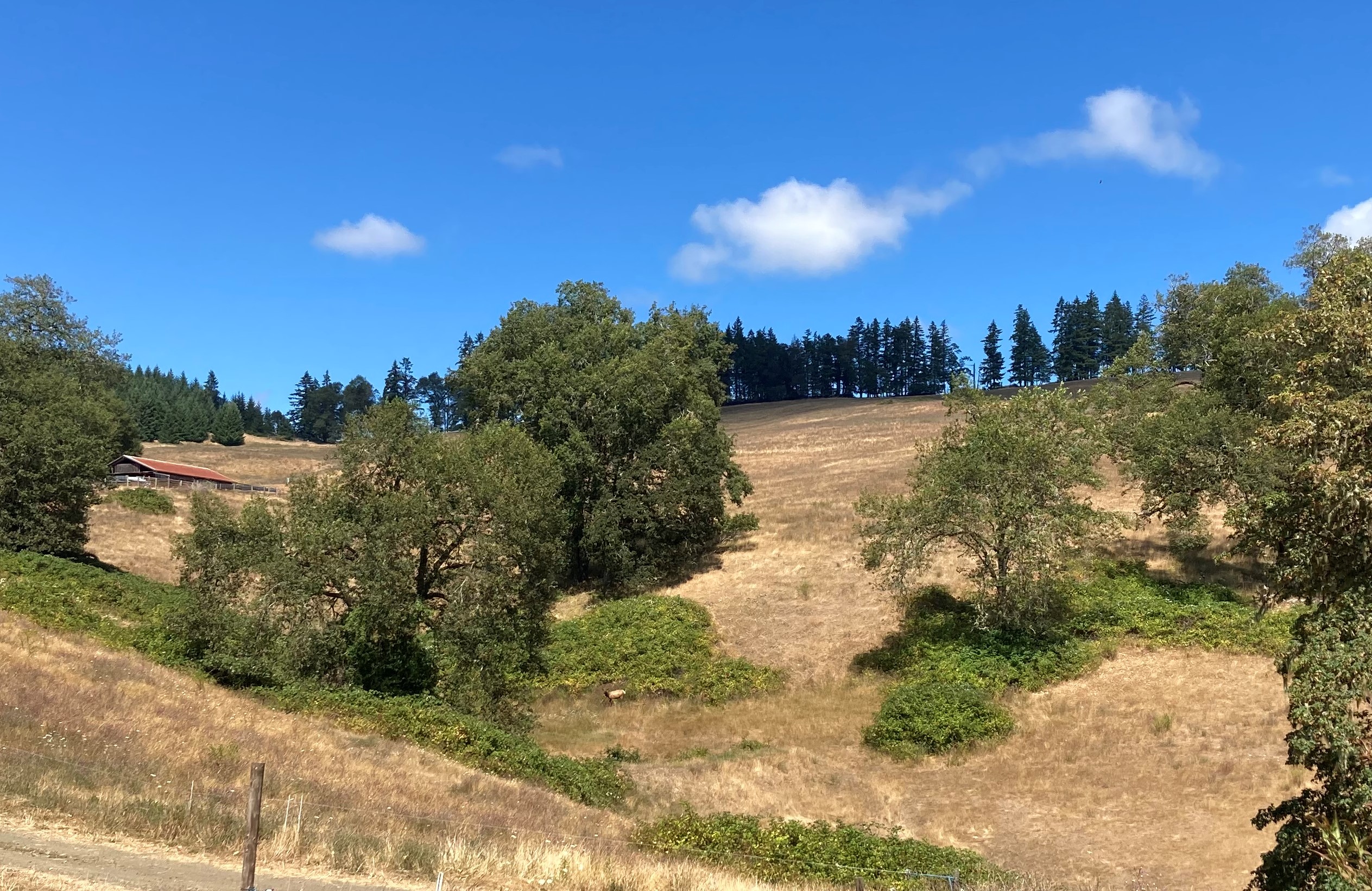
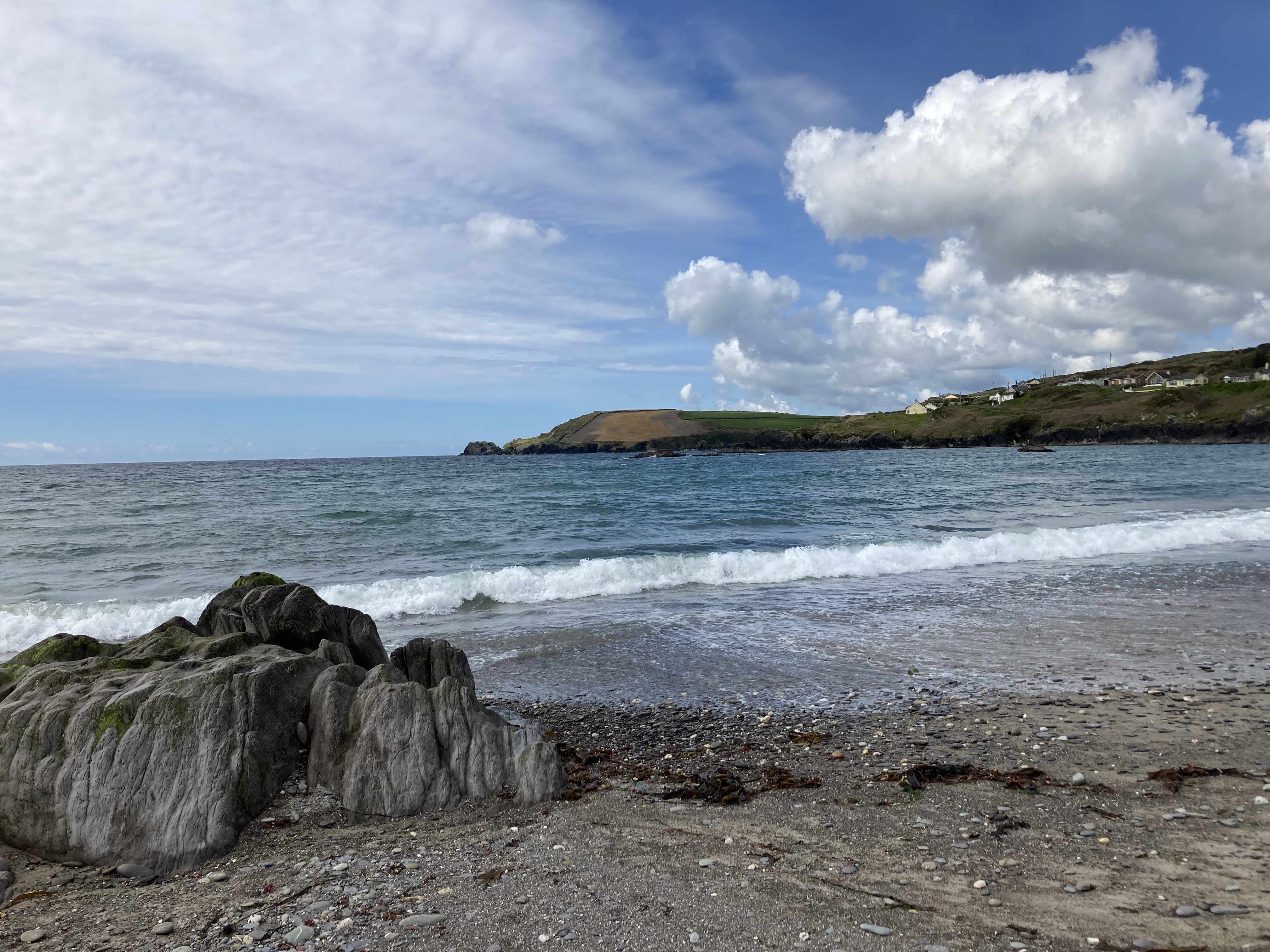
After a long day of talking about books and selling a few I stopped by the docks at the city’s edge just to soak in the sun and the beauty.
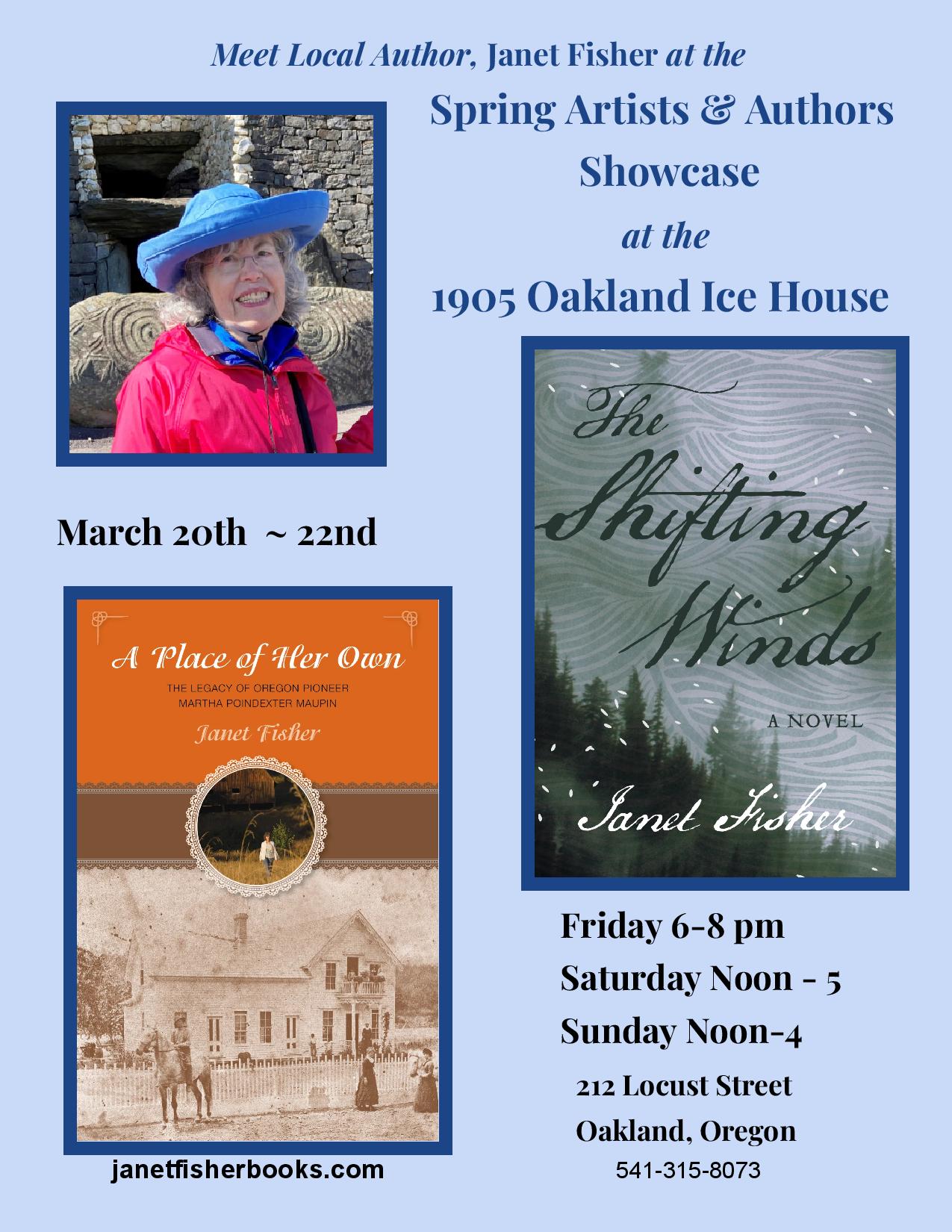
I’ve signed books at the Florence Festival in the past and appreciated the invitation to join them again this year, thanks to a cousin, Karen Maupin Jackson, who lives in the area and recommended me to her friend Rachel Pearson of the team heading the event this year. I met Karen after my first book came out, A Place of Her Own, the story of my great-great-grandmother Martha Maupin, who came west over the Oregon Trail and eventually purchased a farm in Oregon on her own, back in the days when that wasn’t that easy for a woman to do. Turns out, Martha was also the great-great-grandmother of Karen Maupin Jackson–and her sister Linda Maupin Noel, who helped me greatly in the research for that book. I became aware of many Maupin cousins when I did that project.
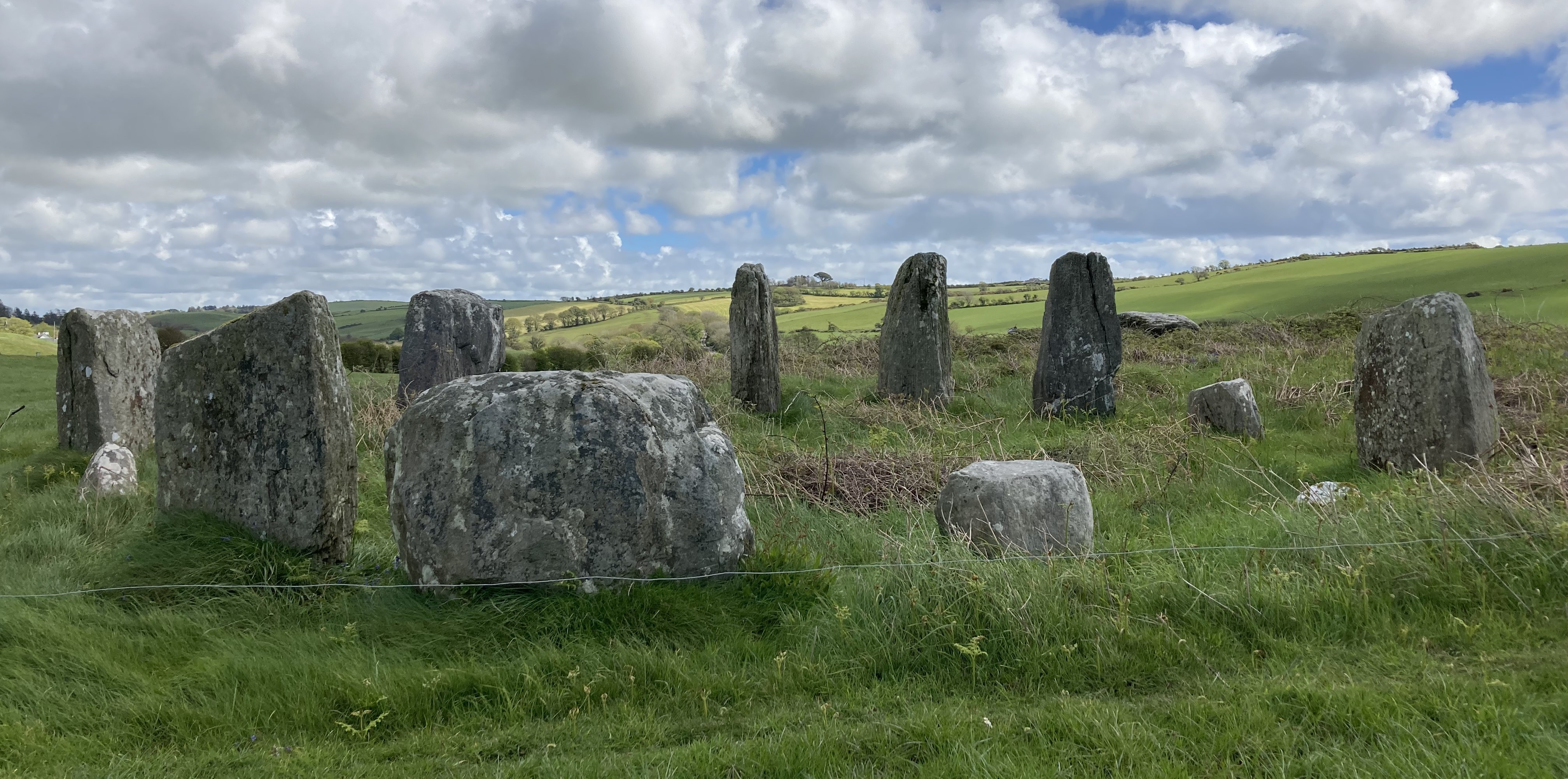
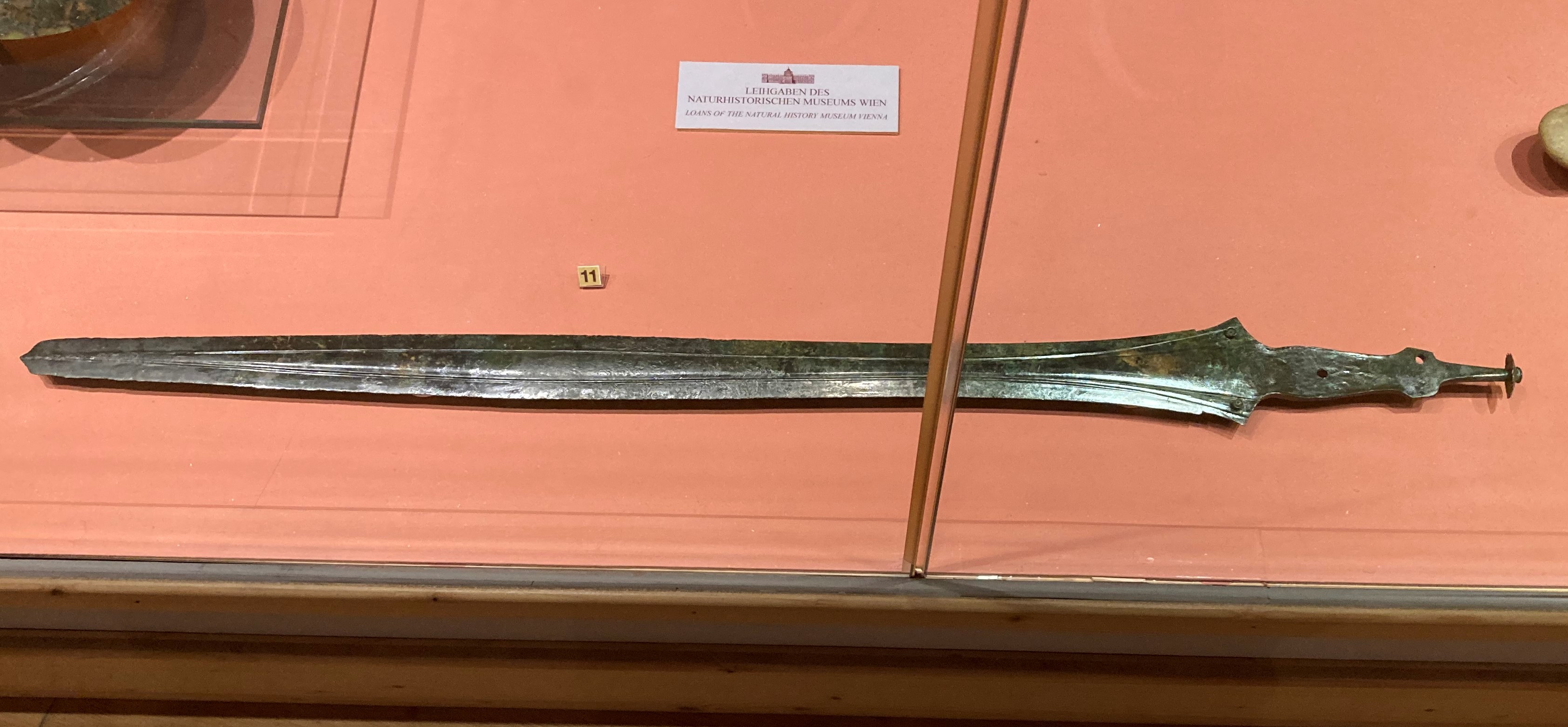
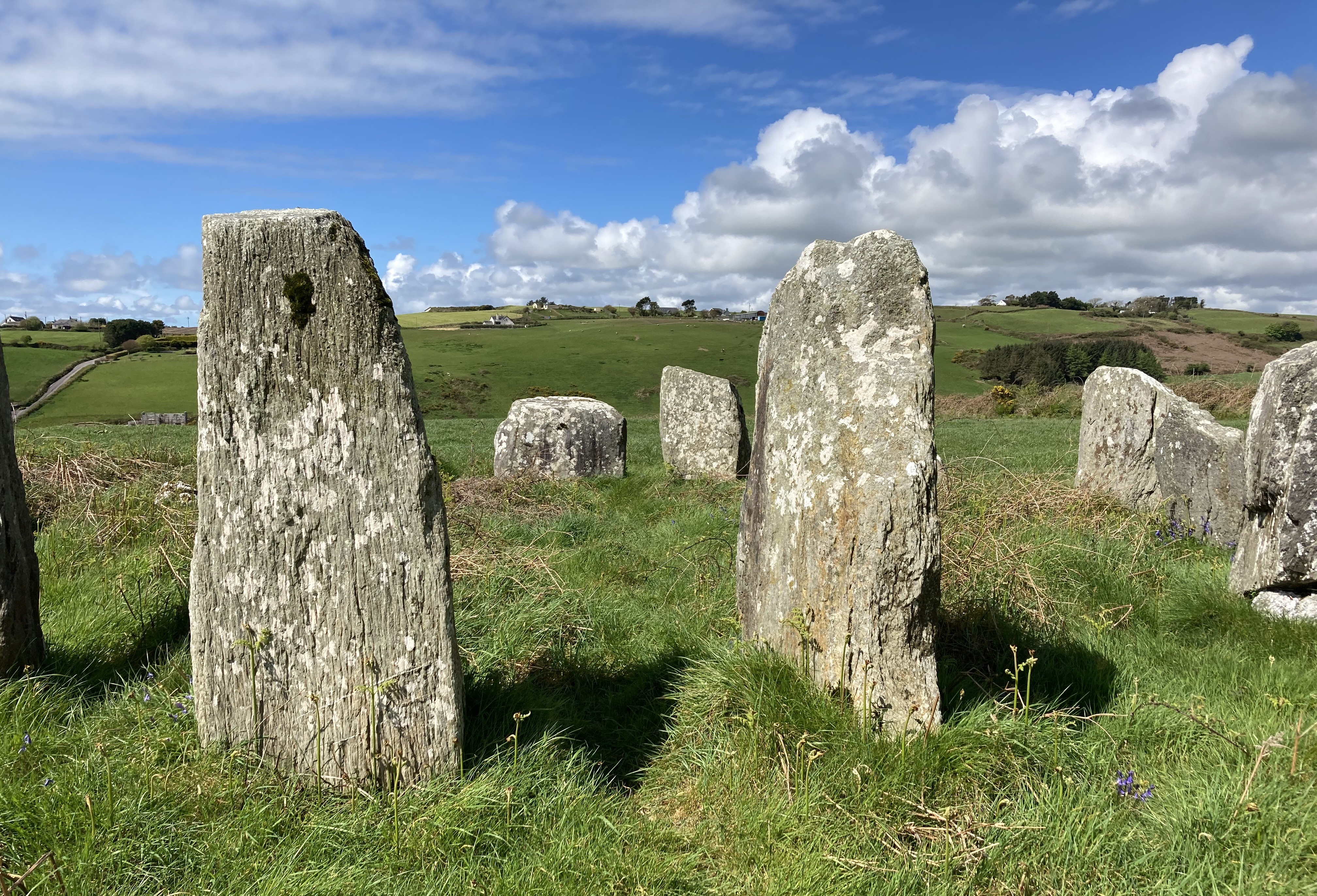
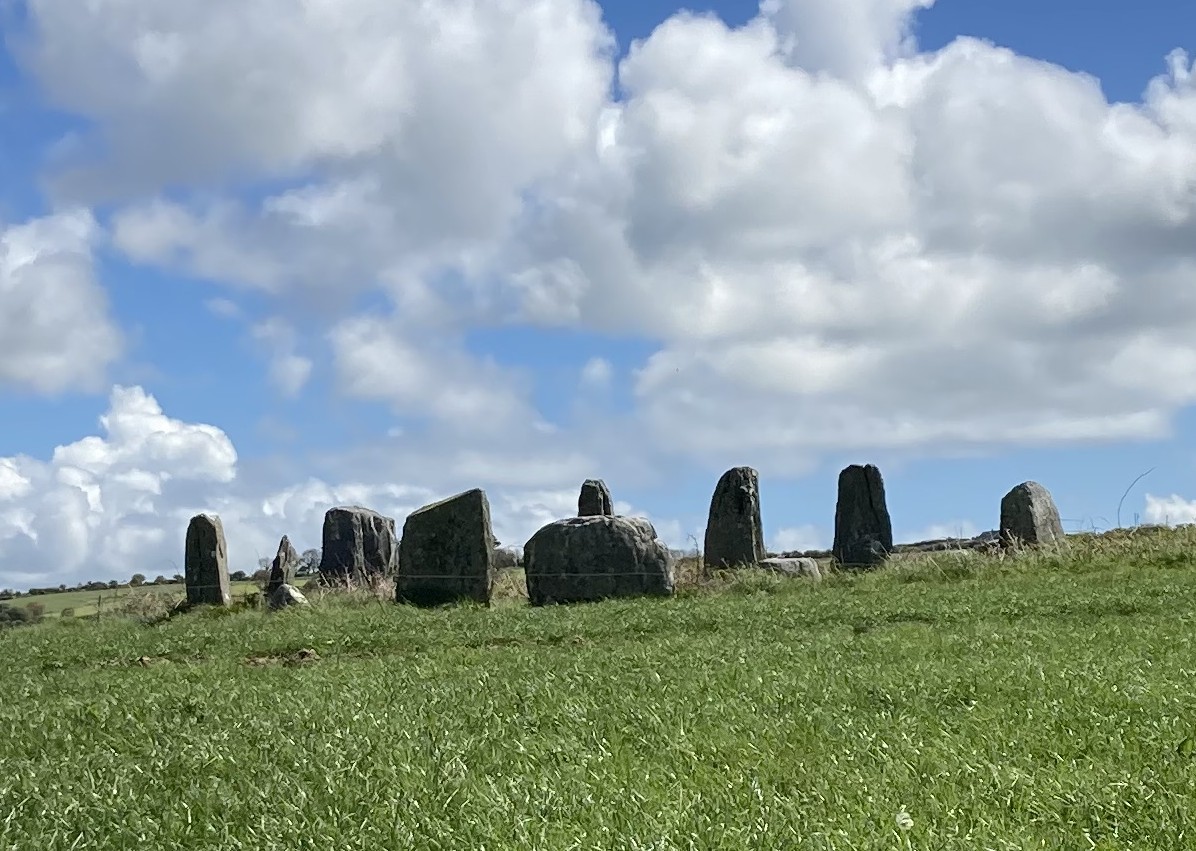
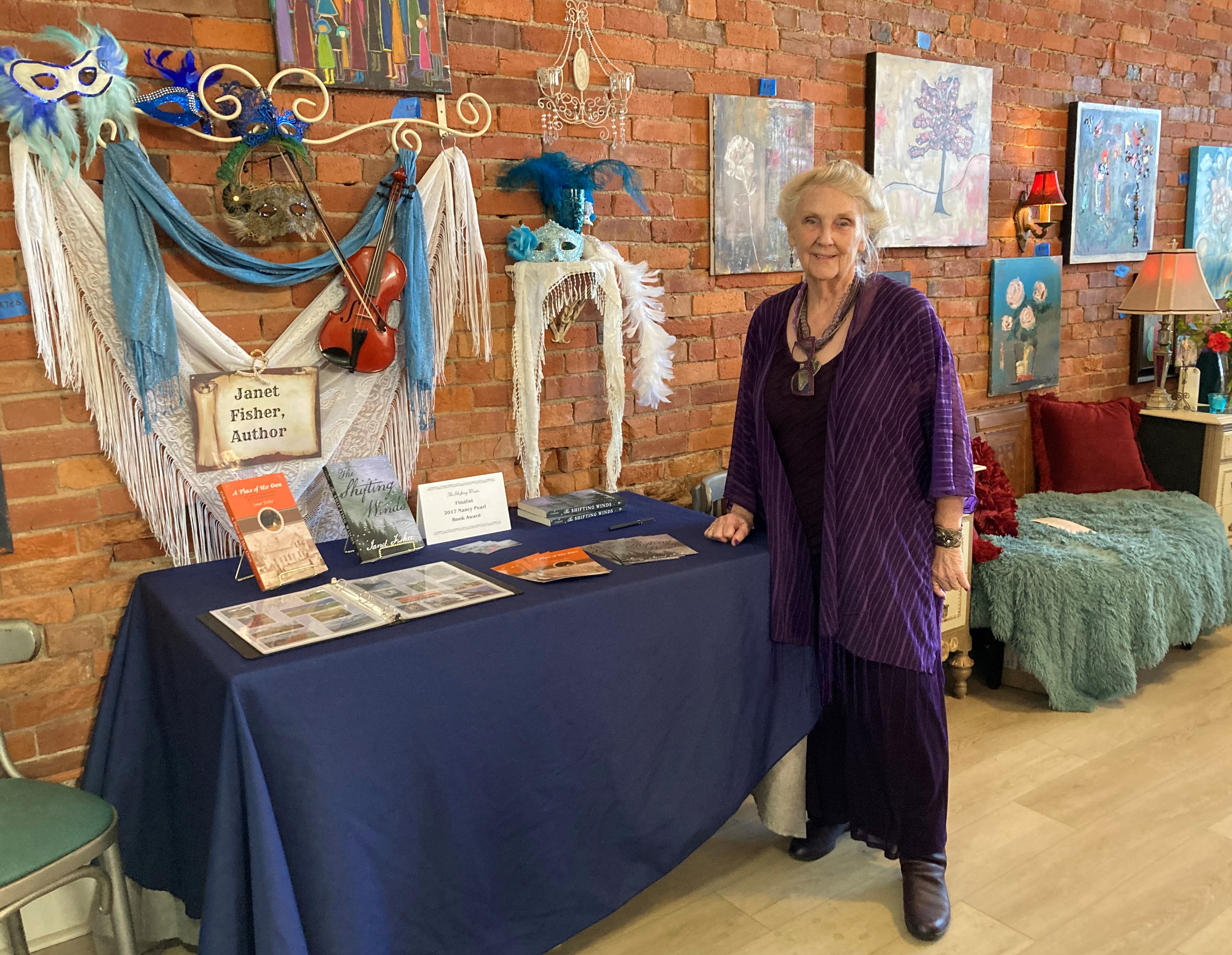
These events aren’t just about selling books, but also about making connections–with other authors and people working in supportive organizations. Getting a book on the market is a challenge, and it’s good to have a bit of help along the way. I was there selling my current pioneer stories, A Place of Her Own and The Shifting Winds, while spreading word about my upcoming work as my focus shifts from pioneers to People of the Stones, stories set in ancient Ireland and Crete.
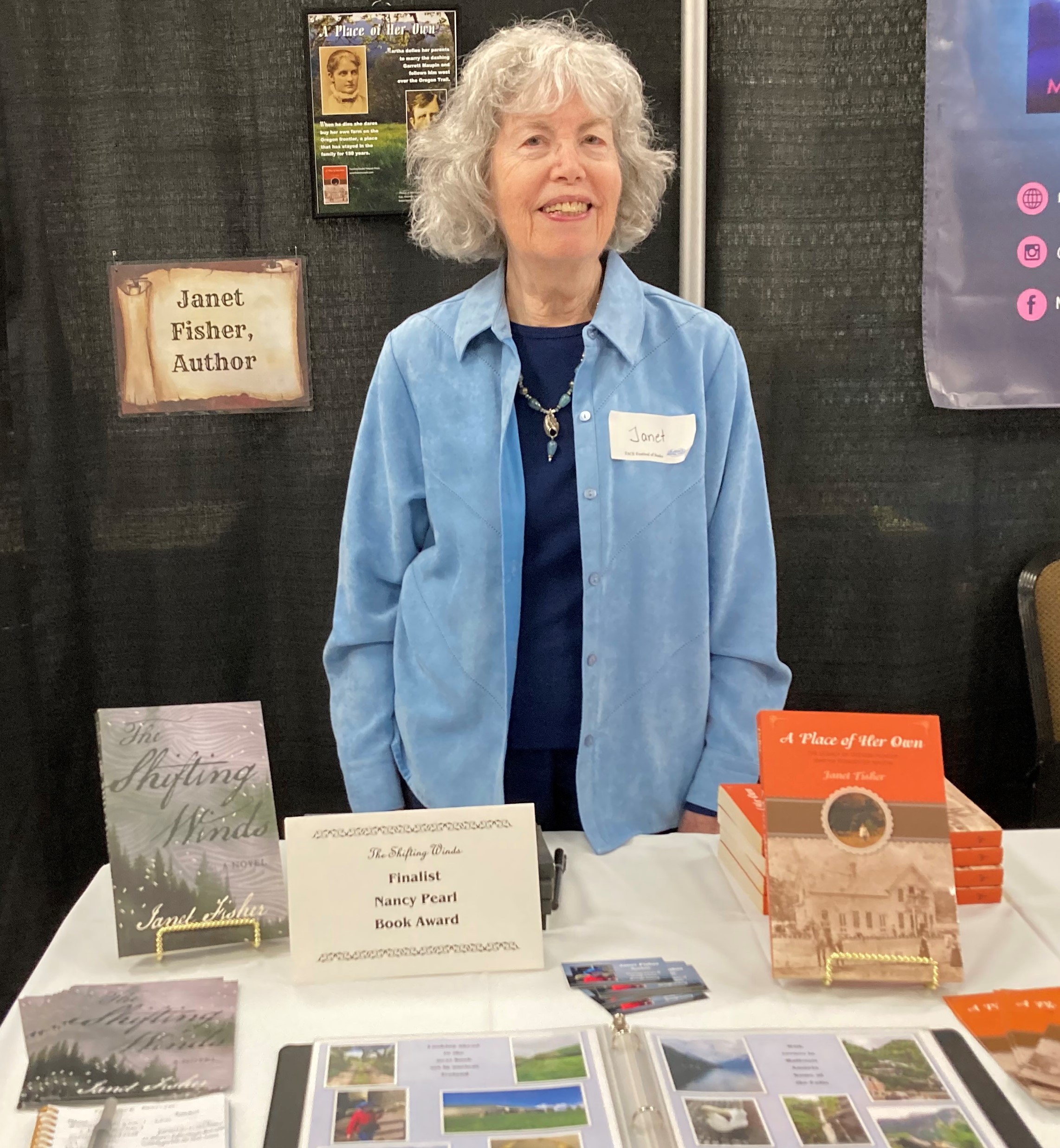
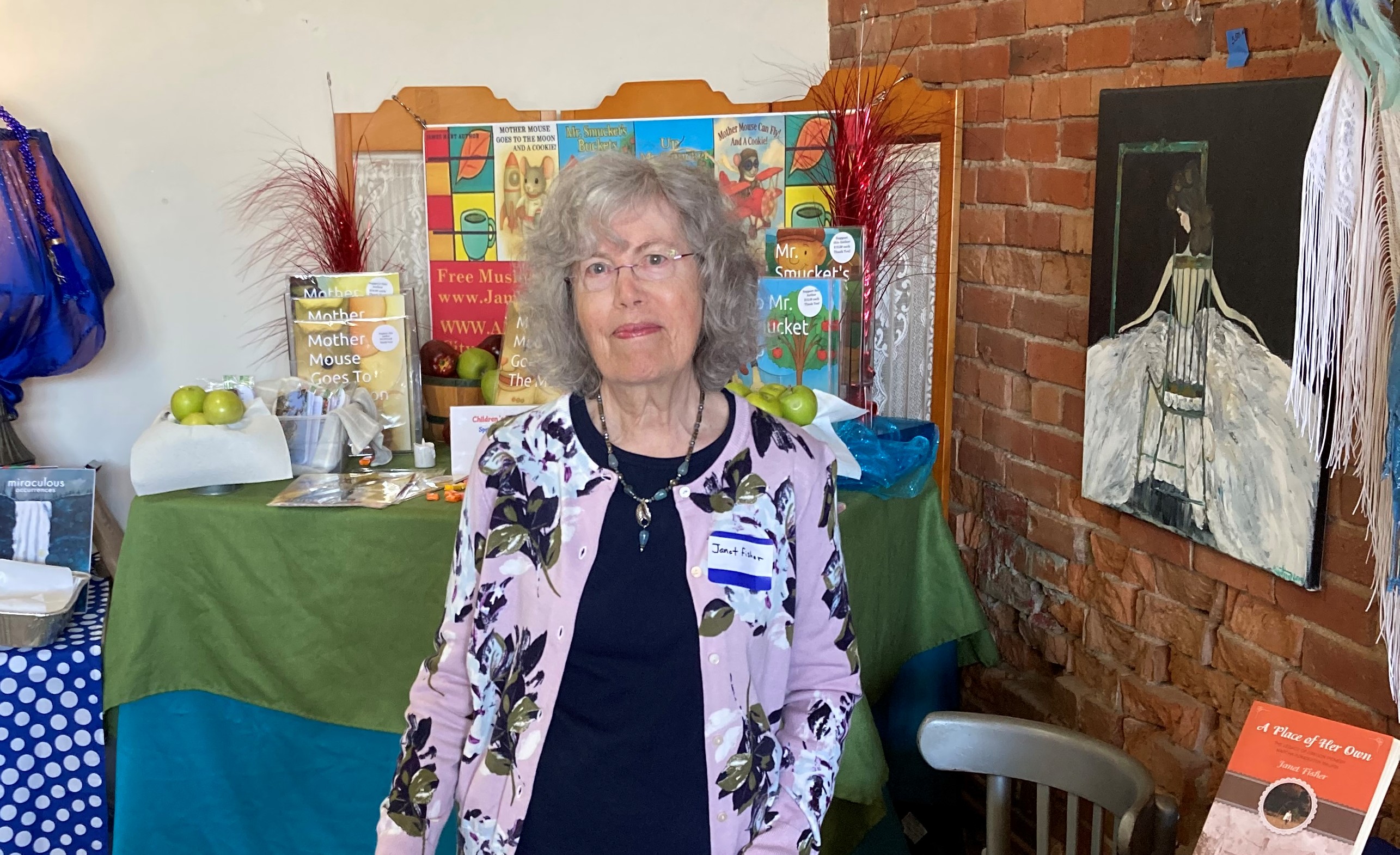
I enjoyed meeting my table partner, M. J. Kuhar, who wrote a medical thriller about an in vitro pregnancy gone awry entitled In Vitro. She’s been an OB-GYN, assistant professor and college dean and insists the story is pure fiction. I also appreciated her husband John’s help in setting up my presentation, taking a picture for the record, and carrying boxes. She and I bought each other’s books, and I’m looking forward to delving into that one soon. Good timing, since I just finished writing a new book myself and that’s when I like to go on a reading binge.
Then I met the author from the next table over, Frances Erler, and we began to connect on several bases right away. She’s from Kalispell, Montana, where I lived for several years. We had mutual friends. I was active in the writing group there and still keep in touch with people from a couple of critique groups that taught me a lot on my own saga of becoming a better writer.
Next I learned that Frances has a keen interest in Ireland, the setting for my upcoming books, and she has a book out called An Irish Odyssey, from Despair to Hope. Of course I had to buy that one too.
Then other people from Kalispell, Montana, stopped by my table. A whole contingent of Montanans, it seemed. That was fun and brought back good memories.
All in all, a pleasant day.