Calving Time at Martha’s Farm

Photo I took April 14 in 2018. I love the little white heart on the face of the nearest one.

April is usually the beginning month for calving here, although many farmers choose to calve earlier. The cows on our farm are gentle. They let you walk right through the herd, even when a cow is calving, although I keep an eye out for a nervous mama. They aren’t my cows. Ed and Mary Cooley rent pasture on the farm as they did when my dad was still here. But I get to enjoy the babies. I think these cows are gentle because Ed spends time with them, moving them from pasture to pasture, often daily. And in winter and early spring he adds hay to their pasture for feed.

An hours-old calf gets a lick from its mother on Friday, April 15, 2011. (Credit Image: © Robin Loznak)

The above picture by my son-in-law Robin appeared in my book A Place of Her Own, the story of my great-great-grandmother Martha Maupin who founded this farm in 1868, now a sesquicentennial farm. The picture illustrated a moment described in one of the Interludes in the book that told of my search for Martha’s story. My dad, Gene Fisher, farmed the place for 75 of those 150 years, more than any other owner in the family’s history. The fourth and last Interlude closes with the morning after he died.

The morning broke, bright and sunny. . . . We looked out the kitchen window to the apple tree across the nearby creek. A new black calf stood on wobbly legs beneath the tree, his mother gently licking his back. The first calf of the season had been born in the night. . . . I wished I could share with Martha the hope I found in this place and in the wonderful creatures who lived here with us. After the long dark night, there would be a bright new morning.

And new calves.

(The Globe Pequot Publishing Group, pp. 202-203)

The same little one as pictured at the top . . . with Mama watching. Or coming my way? Here’s looking at you.

Martha’s Farm Approved for Sesquicentennial Status

The Martha A. Maupin Farm which I now own has been approved as a Sesquicentennial Farm, having been in the family for 150 years. In fact it reached the 150-year mark in 2018. Martha purchased the farm in 1868. But this year I finally went through the process of applying for the Sesquicentennial status through the Oregon Century Farm & Ranch Program.

The families approved this year will be honored at a ceremony at the Oregon State Fair this month on Saturday, August 24 at 11 am in the Columbia Hall on the staged area. Fourteen families have been approved for Century status and two for Sesquicentennial status for 2024. Photo highlights for each award winner will be presented at the ceremony with a desert reception afterward.

The photo above shows Martha and her family in their early years on the farm in front of the house she had built soon after her 1868 purchase. That’s Martha standing on the front porch, her eldest son Cap on the horse. Cap became part owner with his brother Tom when their mother sold it to them in 1886. Then Cap became sole owner when he bought his brother’s share in 1894. From Cap it went to my father Eugene Fisher, Cap’s great-nephew, and my mother Marian in 1934, then to my sister Nancy and I, and finally to me when I bought my sister’s share in 2008.

Part of the application involved finding the documents to verify all those transitions, which can be a challenge. I had obtained some documents, like Martha’s original purchase, when I researched my book about her, A Place of Her Own.

But I was missing some of the documents, which took me back to the Douglas County, Oregon, County Clerk’s office to find the missing links.

The application also required a two- or three-page narrative of family history, including the transfers from one generation to another. My research for the book helped on the early part of that history. Memory served on later events, but I had to scour some local histories and the newfound documents to bring in the middle. The local histories had also helped with my book research.

Martha’s place has been a Century Farm since the 1960s, and I have been pleased to know that this was one of the few Century Farms in Oregon named for a woman, which seemed especially sweet since I’m the second woman to be its sole owner. Now it’s an Oregon Sesquicentennial Farm named for a woman.

I do love history, so it was an intriguing process, and I have a clearer view now of the farm’s history.

The sample of Martha’s purchase document shows the flowery writing one has to pore through in order to glean what you want to know.

In addition to the legal documents and narrative, the application required maps, and requested photos. I also sent a copy of my book about Martha, which the Program Coordinator said they would be very happy to have.

I’m excited to honor my great-great-grandmother Martha for her historic achievement of founding this treasure when it wasn’t easy for a woman to do such a thing.

Below are a couple of photos from the farm, our new hazelnut orchard and the old 1930s barn that still stands on the hillside, looking down to the river bottom. For more on those hazelnuts, see the story here.

Robin Loznak photo

Portraits of a Century Farm ~ Making Scents

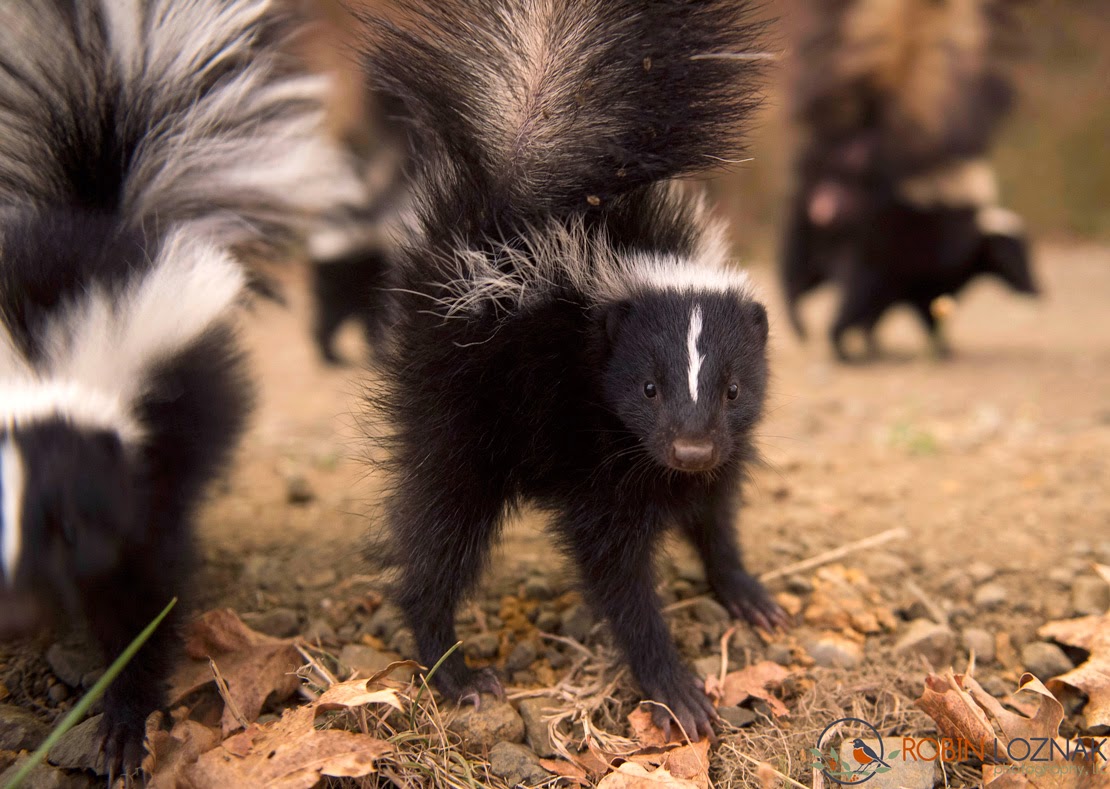
Many beings large and small live on our farm Martha Maupin bought years ago. I couldn’t resist adding this to “Portraits of a Century Farm,” the new series combining Robin Loznak’s photos with my words. This busy family surprised Robin one day when he was out taking pictures on the hill road. He held very still when they ambled near. I wondered how he had the presence of mind to get such clear focus of his subject, but he said he just let the camera focus. The little fellows never expressed alarm. Only curiosity. One even left nose prints on the camera lens.

Making Scents

Web-SkunksPhoto by Robin Loznak

Dust lingers on the air like a memory of rich, loamy soil,
While crackling leaves recall lush spring days
And the sweet bouquet of their youth.
But what is this?
Something smells different.

“Something big, Mamma. And it’s looking at me. What is it?”

Whiffs of blackberry and wild mint ride past on a quiet breeze,
And grasses, thirst long unquenched, add a pinch of must.
I know those smells, but not this one.

Put my nose on it. Sniff it.
M-m-m. Smooth. Very smooth. And cool.

“What is it, Mamma? I can’t make any sense of it. But I won’t be afraid. Not today.”

COMMENT