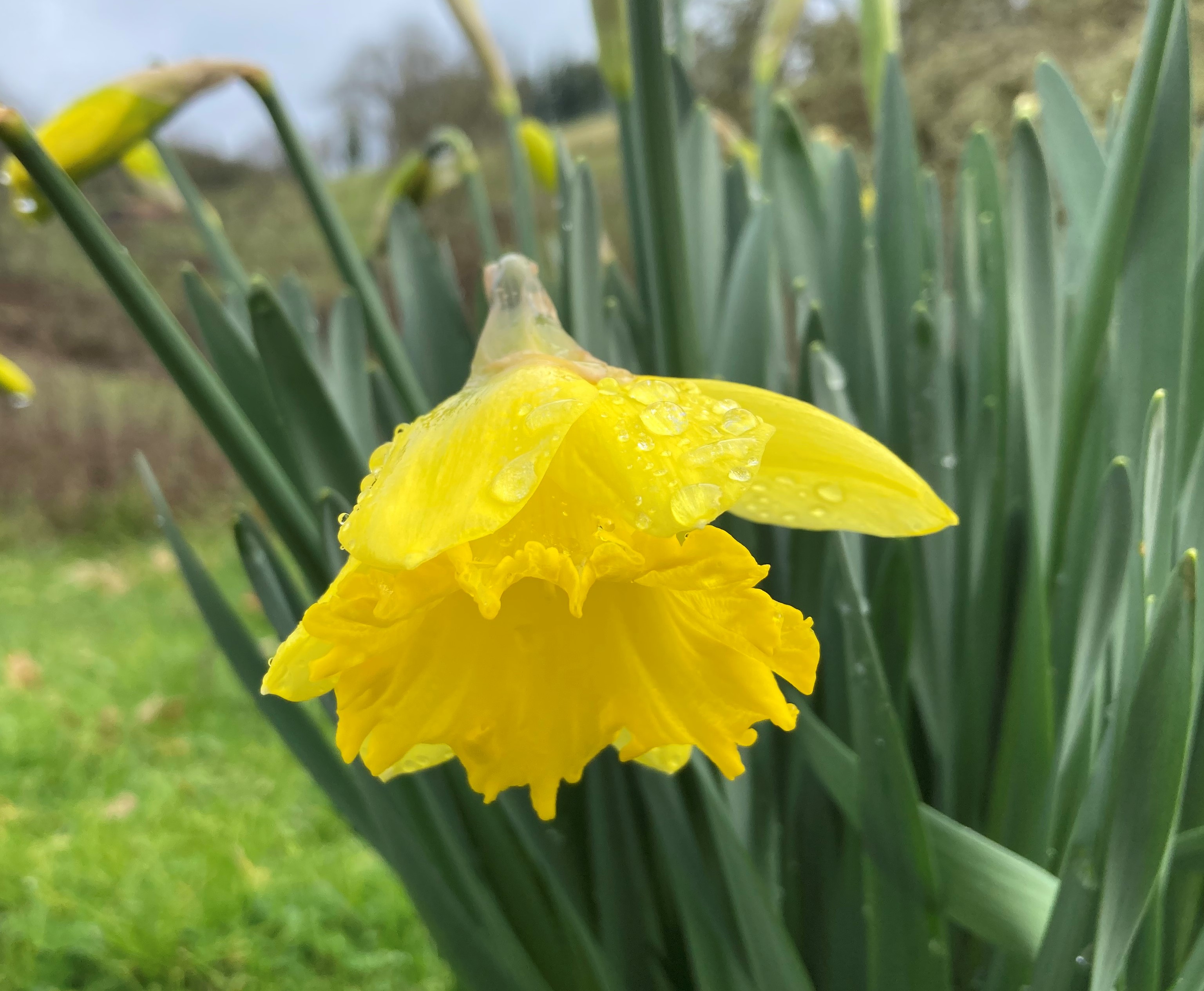
Delicate. Exquisite. Brilliant in yellow. The daffodils of late winter brave every kind of weather. Pounding rain. Skiffs of snow like this morning’s chill. Sometimes they wait. They seem like long-term weather forecasters, setting expectations by the date of their appearance. Will spring be early this year? Or late? But whenever they come out they give me hope. It’s why I call them the hope flower. They let me know. Early or late, spring is coming. It always does.
It’s a little bit like being an author. The delicate lines across many pages. The bravery of putting words out there. The battering critique. The wait. The joy of acceptance.
Followers of my blog know I get a little daffy every year when the daffodils start to rise. I’ve been watching this bloom for quite a while. The swelling bud. Another bud started sooner but something nipped it off before it had a chance to open. And this one dared spread its petals first. Weighted down by drops of rain it bows still. One day soon it should lift its head and glow.
Progress on my work continues. I finished the outline for my next book today. That’s the frame from which the story will flow. It’s the sequel to the one my new agent has ready. Exciting times. Hope rises like daffodils announcing spring.
The story waits, ready to be written from a skeletal document inside the computer, a hard copy of that framework in the blue notebook shown below. The outline.
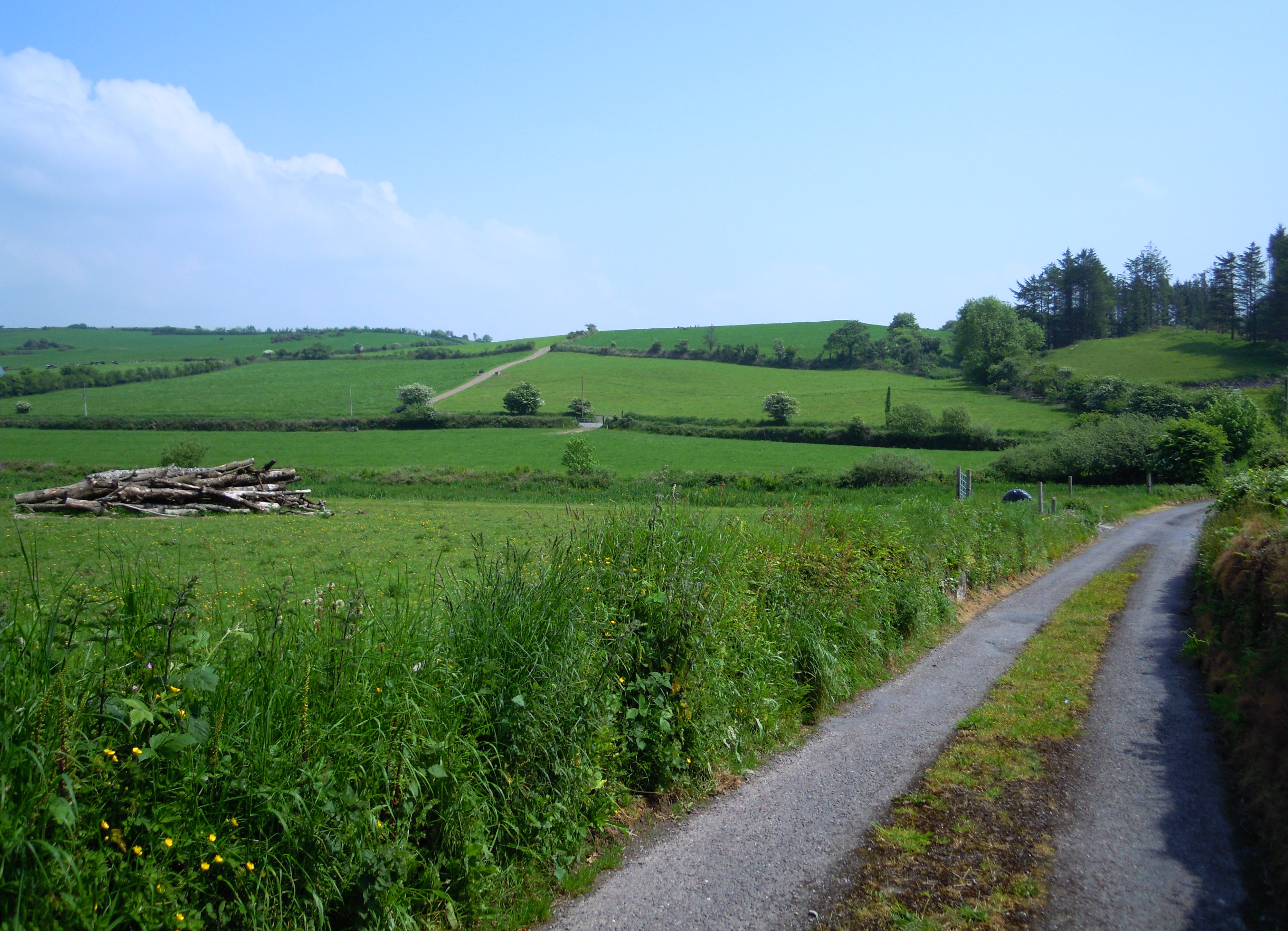
In my mind I see not the words but the people and places, like the wondrous temple of Knossos on the Greek island of Crete. And the green fields of Ireland that resemble my own green knolls on this soft May afternoon in Oregon.
The grand pillars of Knossos.Green fields of Ireland.
The characters are almost as real to me as my neighbors—because I move inside them as I show their story. I laughed with delight when I heard travel guide Rick Steves comment about the ancient Romans. They “were just people, like you and me, without electricity.”
True, they had different customs, but they felt joy and sadness and love and fury just as we do. For me it has always been exciting to imagine what life was like in ancient times—or will be in the future. I love Star Trek too. But these ancient times in these two unique islands caught my heart.
To outline or not to outline?
Authors often hold strong views on that question. Non-outline writers may insist they’d be hemmed in by an outline. Outliners like me can’t imagine drawing all those threads together without one. I would never let the outline stop me from taking new directions. But I’m not just keeping threads together for one book.
This is a series that follows two great families through the generations—the high priestesses and kings of Crete, the clan mothers and chiefs of Éire. This new story begins about 100 years after the opening scenes of Book One in the series. I have to keep track of them all.
Besides consistency, each story requires new research. Scholars keep digging and adding more information. Sometimes I find details—either new or new to me—that affect other stories in the series. For instance when I first started writing about voyages from Crete to Ireland I assumed it would take many months to make the journey. But I found a website where you could enter names of modern ports, designate the speed of travel, and voila. They give you the overall trip time. I had to cut the time dramatically. Of course I had to determine from other sources how fast the ancient ships might go with their single square sails and ranks of oarsmen. I found estimates for similar Viking ships, other estimates for simple rowing, prevailing winds that would increase or decrease the speed.
In other instances when you’re writing a tight storyline where you want a lot to happen in a day you have to figure out what you can fit into that day and roughly what hour events can happen—even though I can’t express time in hours for people who lived by the sun, moon, and stars, not the clock. Another website tells exactly when dawn and dusk happen on any given day in any given setting. It’s not just how fast a ship can go, but a horse, a man, a woman. All these details take time to calculate. I don’t want to stop in the middle of a fast-moving scene to figure it out. So that goes into the outline. From that the rough draft can move swiftly.
Now this new one is ready for me to plunge in and live it as the words flow.