New Book Birthing

The story waits, ready to be written from a skeletal document inside the computer, a hard copy of that framework in the blue notebook shown below. The outline.

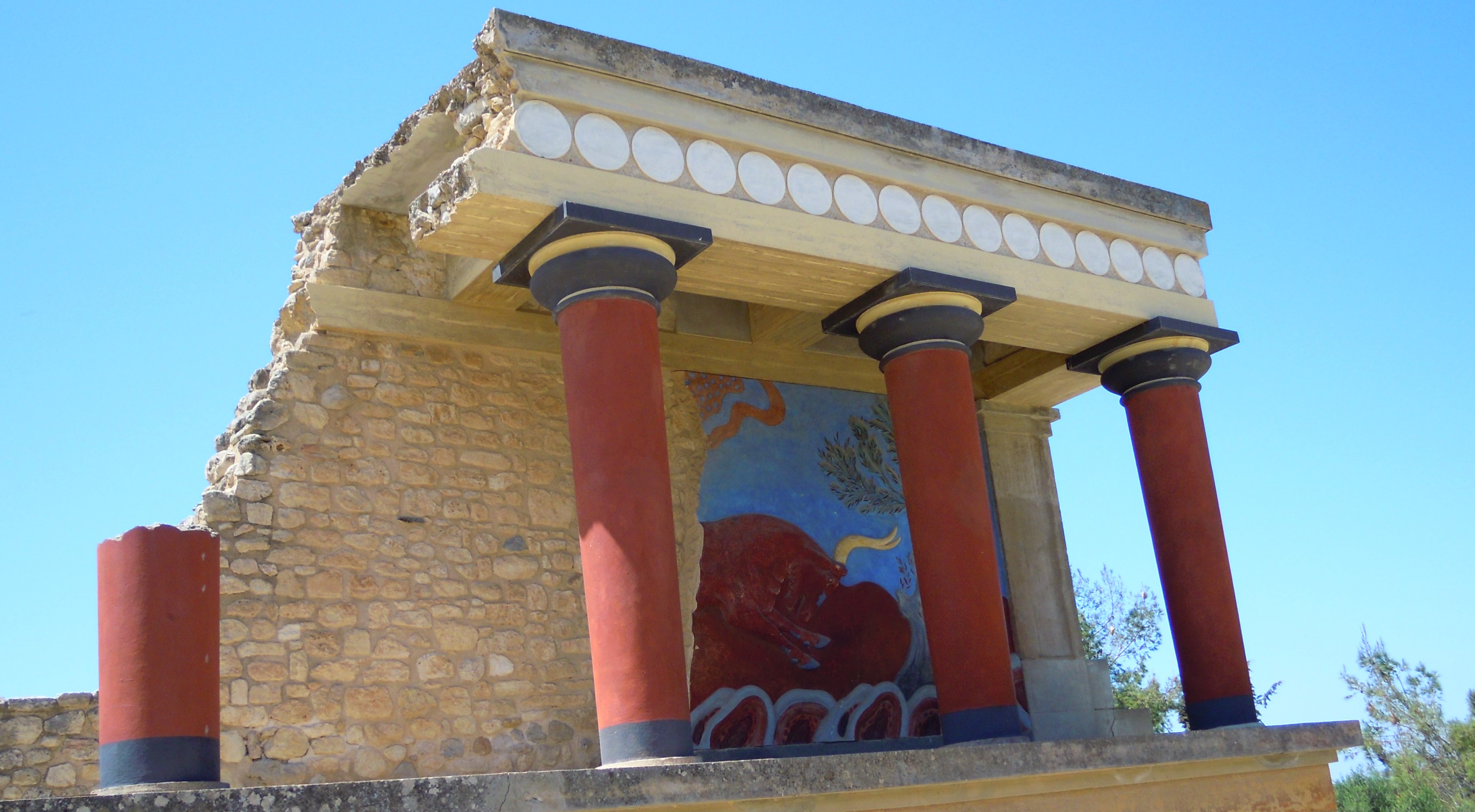
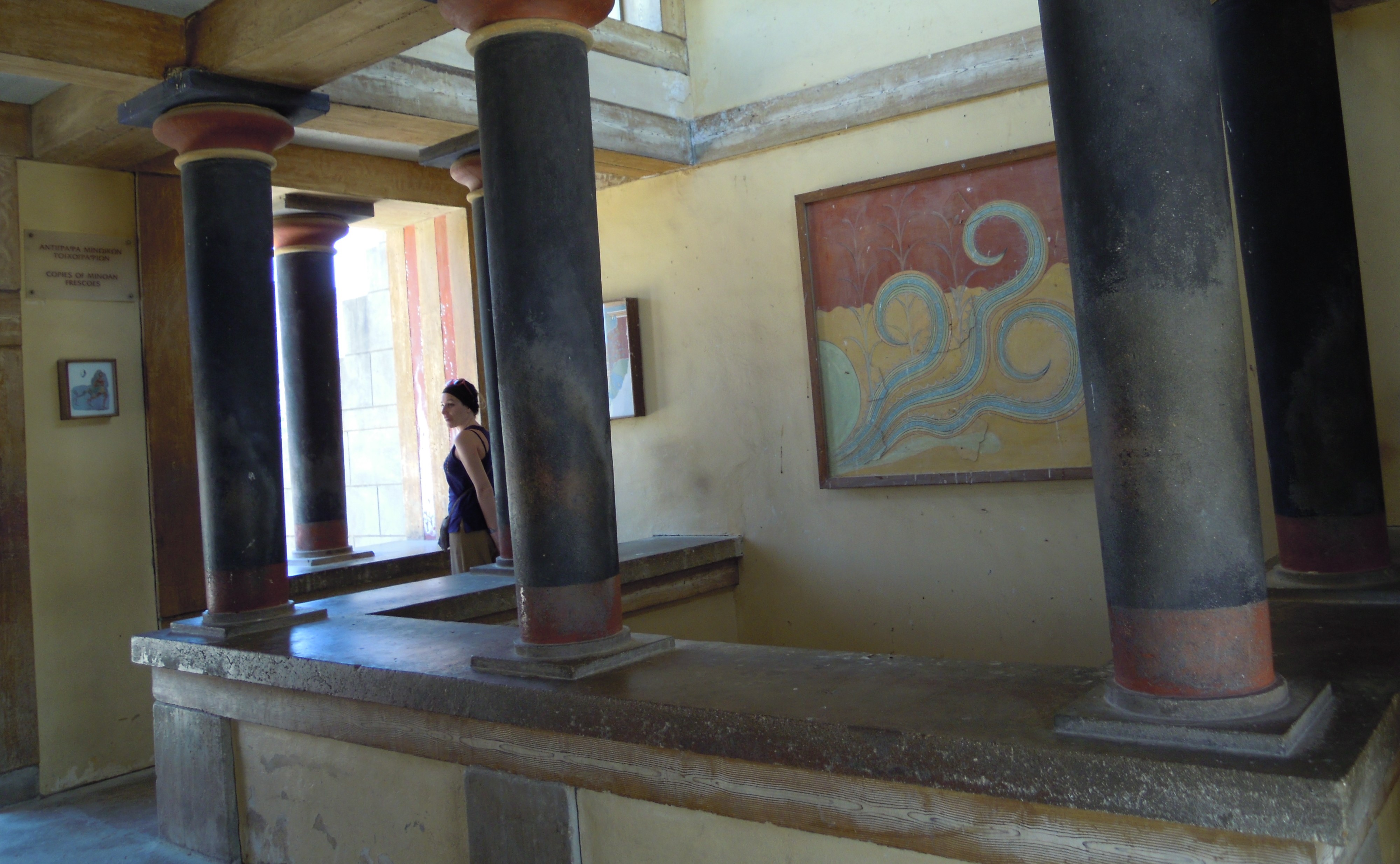
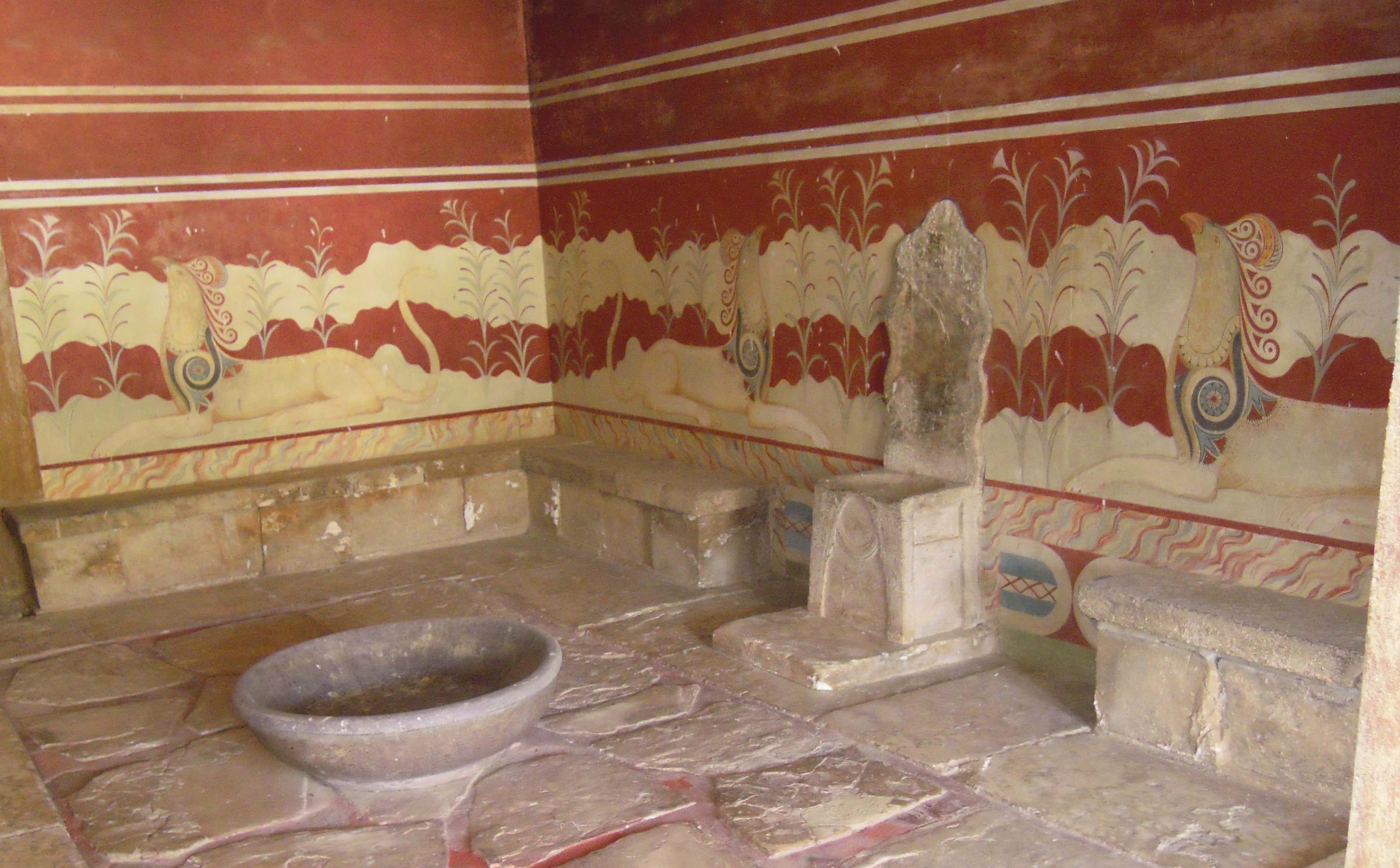
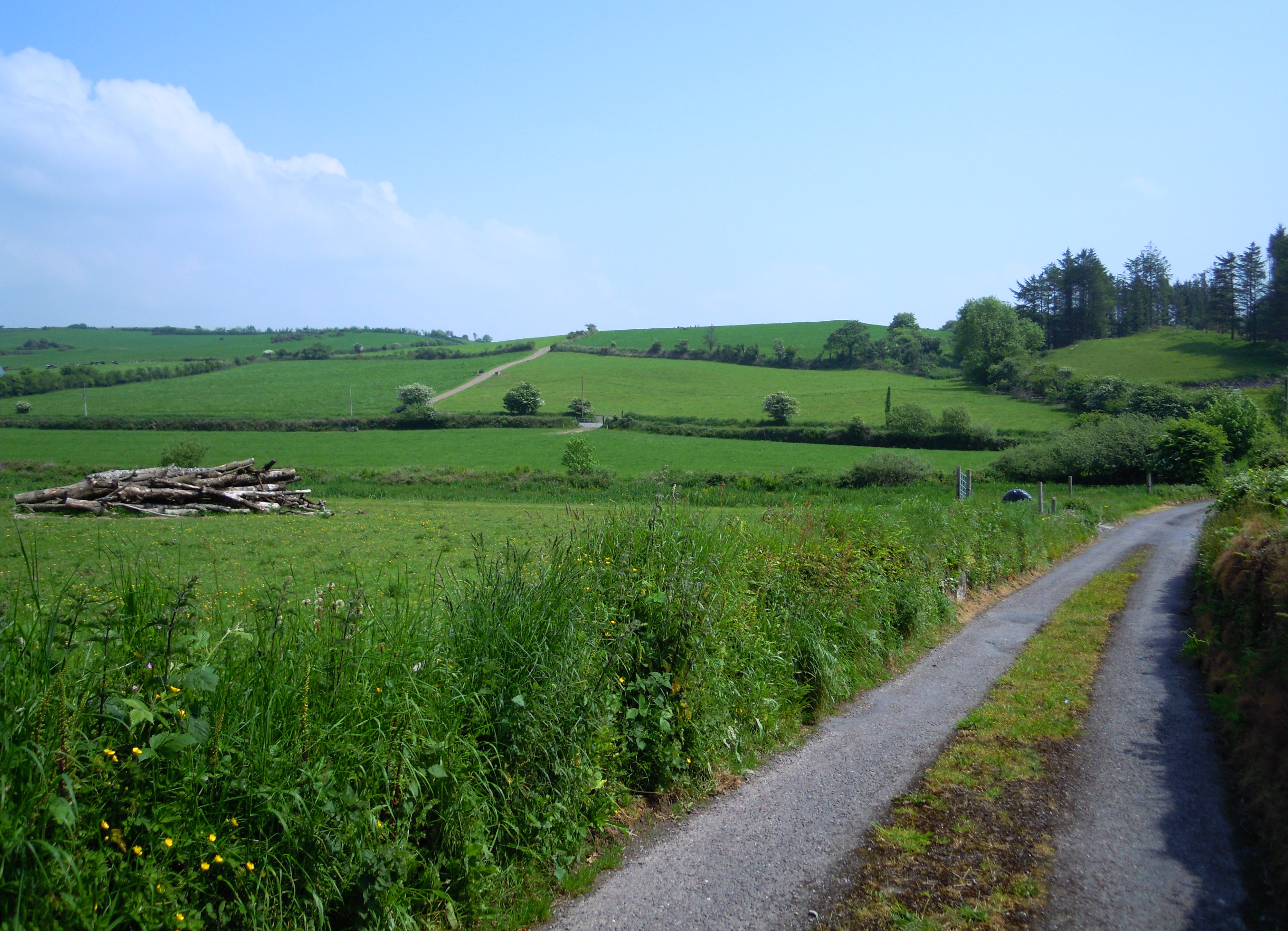
In my mind I see not the words but the people and places, like the wondrous temple of Knossos on the Greek island of Crete. And the green fields of Ireland that resemble my own green knolls on this soft May afternoon in Oregon.

The grand pillars of Knossos.

Green fields of Ireland.

The characters are almost as real to me as my neighbors—because I move inside them as I show their story. I laughed with delight when I heard travel guide Rick Steves comment about the ancient Romans. They “were just people, like you and me, without electricity.”

True, they had different customs, but they felt joy and sadness and love and fury just as we do. For me it has always been exciting to imagine what life was like in ancient times—or will be in the future. I love Star Trek too. But these ancient times in these two unique islands caught my heart.

To outline or not to outline?

Authors often hold strong views on that question. Non-outline writers may insist they’d be hemmed in by an outline. Outliners like me can’t imagine drawing all those threads together without one. I would never let the outline stop me from taking new directions. But I’m not just keeping threads together for one book.

This is a series that follows two great families through the generations—the high priestesses and kings of Crete, the clan mothers and chiefs of Éire. This new story begins about 100 years after the opening scenes of Book One in the series. I have to keep track of them all.

Besides consistency, each story requires new research. Scholars keep digging and adding more information. Sometimes I find details—either new or new to me—that affect other stories in the series. For instance when I first started writing about voyages from Crete to Ireland I assumed it would take many months to make the journey. But I found a website where you could enter names of modern ports, designate the speed of travel, and voila. They give you the overall trip time. I had to cut the time dramatically. Of course I had to determine from other sources how fast the ancient ships might go with their single square sails and ranks of oarsmen. I found estimates for similar Viking ships, other estimates for simple rowing, prevailing winds that would increase or decrease the speed.

In other instances when you’re writing a tight storyline where you want a lot to happen in a day you have to figure out what you can fit into that day and roughly what hour events can happen—even though I can’t express time in hours for people who lived by the sun, moon, and stars, not the clock. Another website tells exactly when dawn and dusk happen on any given day in any given setting. It’s not just how fast a ship can go, but a horse, a man, a woman. All these details take time to calculate. I don’t want to stop in the middle of a fast-moving scene to figure it out. So that goes into the outline. From that the rough draft can move swiftly.

Now this new one is ready for me to plunge in and live it as the words flow.

COMMENT

Beta Readers

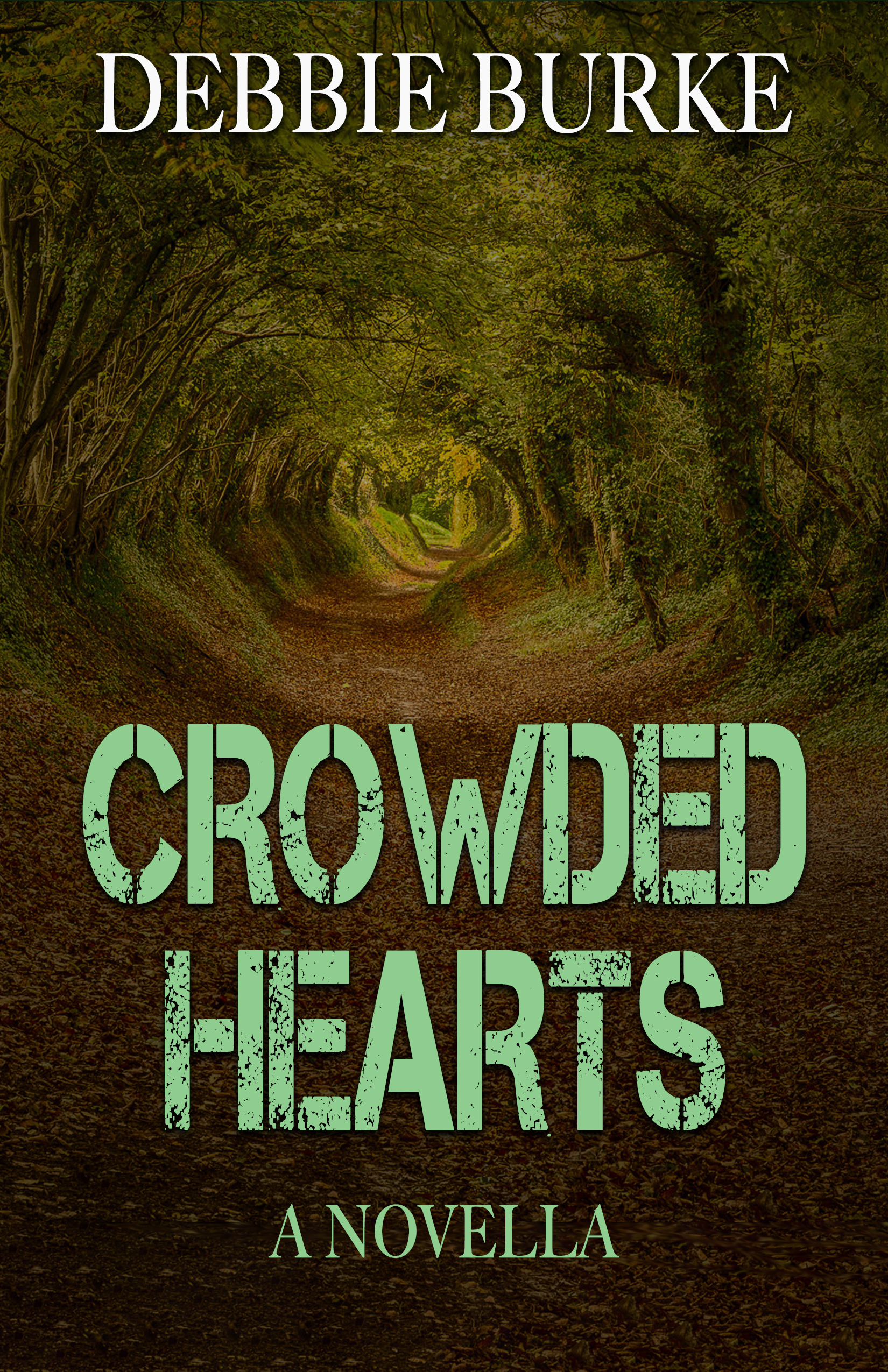
One of my Montana writer friends, Debbie Burke, just drew me into a role I’ve seldom played–the role of beta reader for her upcoming novella, Crowded Hearts (brand new cover by Brian Hoffman shown below).

Beta readers, those generous people who are willing to slog through an author’s rough drafts and offer critiquing, are vital members of the writing craft.

I’ve been depending on these readers from the beginning of my long years as a writer, usually three or so per book. But while I have occasionally read for fellow critique group members and other friends, I have never fancied myself a beta reader.

It’s not an easy task. You may be looking at the work of someone with a different voice than your own, a different style.

And I’m sensitive to an author’s feelings.

When I lived in Montana some twenty years ago and first joined a critique group there they called me the comma queen because that’s all I felt competent to mark on the scenes members presented each week. Of course when a professional editor got hold of my first to-be-published book I decided I knew nothing about commas. Even so, as a writer I have a fairly solid sense of grammar and can do line editing. Or scour for typos. But reading for content and substance? That’s another thing.

Fast forward to now. I have been in editing mode, trying to get my own ancient historical series polished, but decided it was time to rest for a while and go on a reading binge.

I soon got wrapped up in Debbie’s series of thrillers, having met her during my Montana years. She was in one of those critique groups I joined there. Most of her series is set in the remarkable beauties of that mountainous state. She calls them “thrillers with heart.”

Not only do they take you on exciting and perilous adventures, but there’s some intriguing romantic tension as well. Her protagonist, Tawny Lindholm, is a saucy redhead who gets mixed up with a sinister fellow while she’s grieving over the loss of her husband. And she finds help from Tillman Rosenbaum, an arrogant high-powered attorney with plenty of issues of his own. The sexual tension between her and the attorney becomes a sizzling feature of the series.

When I finished reading Debbie’s Book Four, Dead Man’s Bluff, which takes Tawny and Tillman on a side trip to Florida during Hurricane Irma, I wanted to plunge right into Book Five, but that isn’t out yet. I emailed Debbie and told her how much I liked the latest installments and asked when I could read Book Five—no pressure, of course.

Just happened she was putting the finishing touches on the novella, which is an interlude in the ongoing story. She asked if I would be a beta reader for it. Hungry for the next word in the series I said sure.

Not only did I experience the delight of knowing what happens next, I found I was able to offer some substantive suggestions. When Debbie gave me the copy to critique she told me to be brutal. I think that released me to the incisive response that could actually help her. And maybe because I’d been in editing mode with my own and had become more open to comprehensive changes there, I was better prepared to offer a few thoughts for Debbie’s work–which I must say was quite fine to start with but I think became even better. In fact I really enjoyed the role of beta reading.

In return, Debbie has agreed to be a beta reader for my upcoming one. I know she’s good at that. Some years ago she read one from my series and she offered plenty of unvarnished wisdom that kicked it up to a higher level. After all, we authors have to face the sometimes brutal truth if we’re to make our work shine.

Debbie Burke

So here’s to the beta readers we writers all need so much. It’s hard to see our own mistakes or our failures to communicate. We know what we mean, but the words may not convey what we intend. An extra pair of eyes becomes gold.

And here’s to Debbie’s Tawny Lindholm thrillers with heart. I happily recommend them.

Debbie’s new Crowded Hearts will be out soon on Kindle.

COMMENT

The Silence of Progress

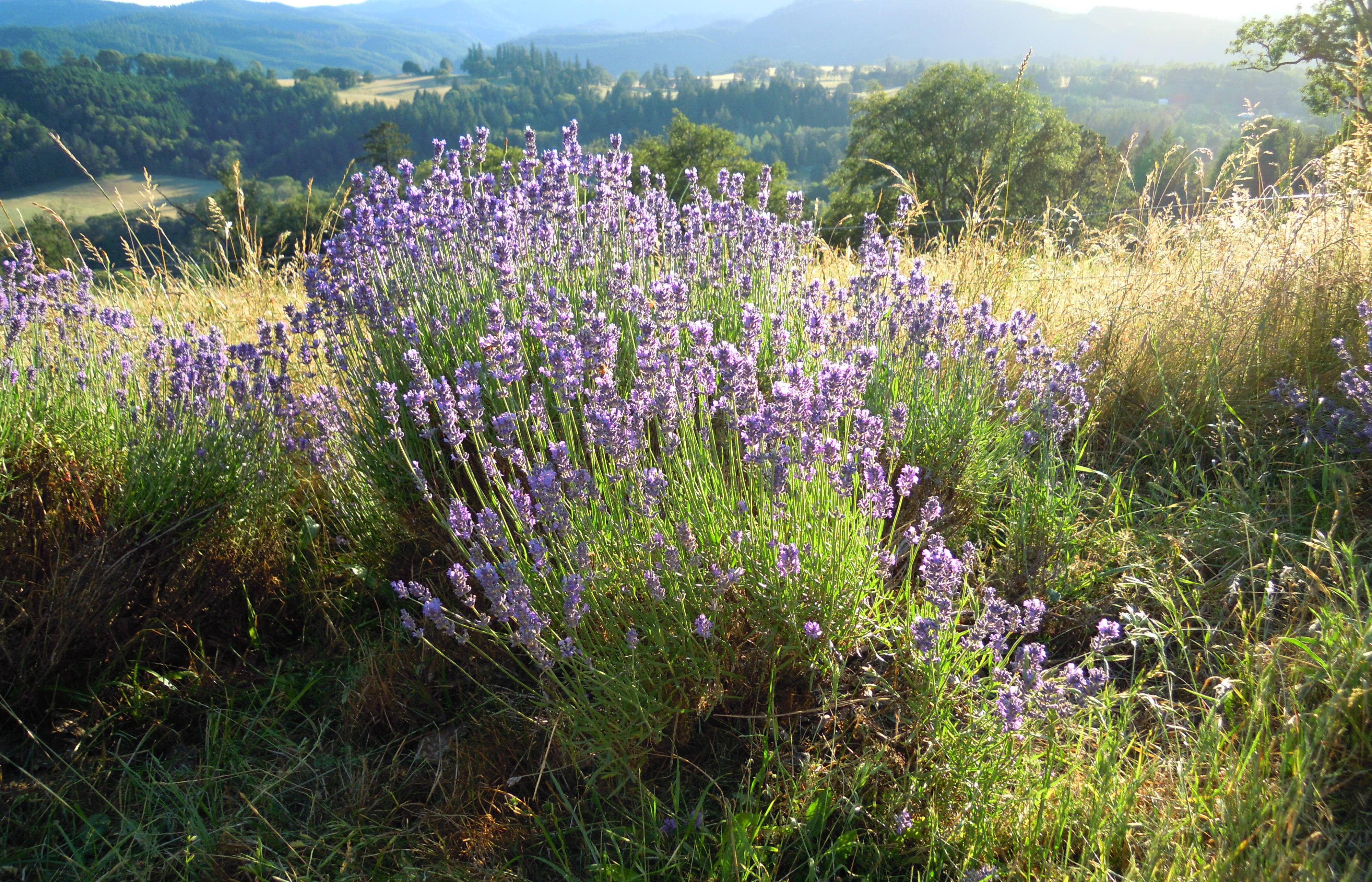
When we’re called to shelter the walls may feel tight. Yet I’m grateful to be able to shelter on our farm. Walks on the mountain have brought daily joy. Spring has come and gone. Summer’s here. The lavender’s in bloom.

I’m also grateful my work is here, and I can immerse myself in that. I’m working on the series, two trilogies, one centered in ancient Minoan Crete, the other in ancient Ireland. They’re complete now. But before my agent sent Book One to a new publishing house recently she suggested I review it.

Review it.

Two simple words. But it meant going through the whole thing. So in silence I entered that world once again–and found places to heighten the tension, smooth the flow. After she sent that off it occurred to me that if I found places to improve in Book One, maybe I’d better review Book Two–which led to reviewing Book Four, one I had recently revised dramatically. And once I read that I thought I’d better make sure the required changes in the opening of Book Five still worked. I got caught up in that story and didn’t really know where to stop, so I read it all. Book Six is a bit long and I think I should see if I could trim it a little–which will require a full read. But I got to thinking about Book Three, which I had skipped because it has always read so well, thanks to my muse who breathed so much of that story into my ear. What if I could make it just a bit better? I reviewed it. No big changes but worth the read.

Because I have been so deep into this, I haven’t been on social media much. It’s in the silence that I make progress.

COMMENT

Book Revisited

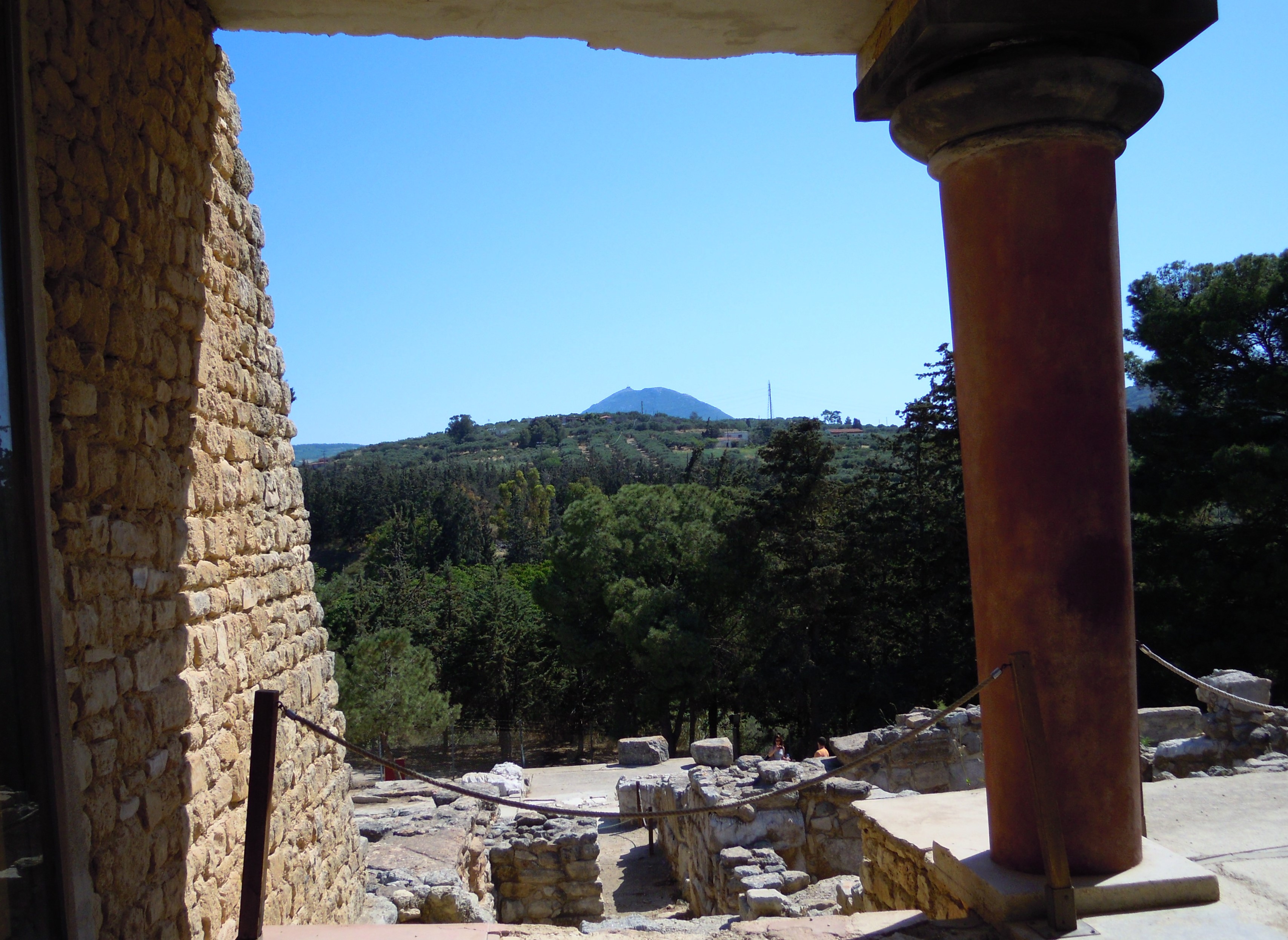
Looking Toward Mount Youktas from the Cretan Ruins of Knossos

The opening scene of one book in my series starts here in this ancient pre-Greek setting, where protagonist Helaina looks out from the temple of Knossos to the sacred mountain of Youktas on the horizon. It’s a critical morning when she will have to leap a fierce bull in a perilous ritual for her people.

It’s a story of poignant desire and guilt, swordplay and valor on land and sea, passionate trysts that must never be told, and a love that won’t let go.

I have declared it finished I don’t know how many times. Every time it has come back wanting. And every time I have dug deeper to make it work. I’ve written five more in the series–taking us from Crete to Ireland and points in between. Those five stand waiting, virtually complete. I think this one is the most difficult because it’s the oldest, but it’s essential to the saga.

In late October my agent called me and we had a brainstorming session over the phone. Out of that, I opened my mind to dramatic changes. Once you start pulling at the threads of a tapestry, huge sections may unravel, leaving the possibility of weaving in new images you never thought would emerge. I threw out whole chapters and wrote new. I brought in new characters, took new pathways.

Creative juices flowed as they hadn’t since the muse whispered most of another to me.

Now I love it more than I ever have, and I’m declaring it ready one more time. Can Helaina leap that bull and carry this story on?

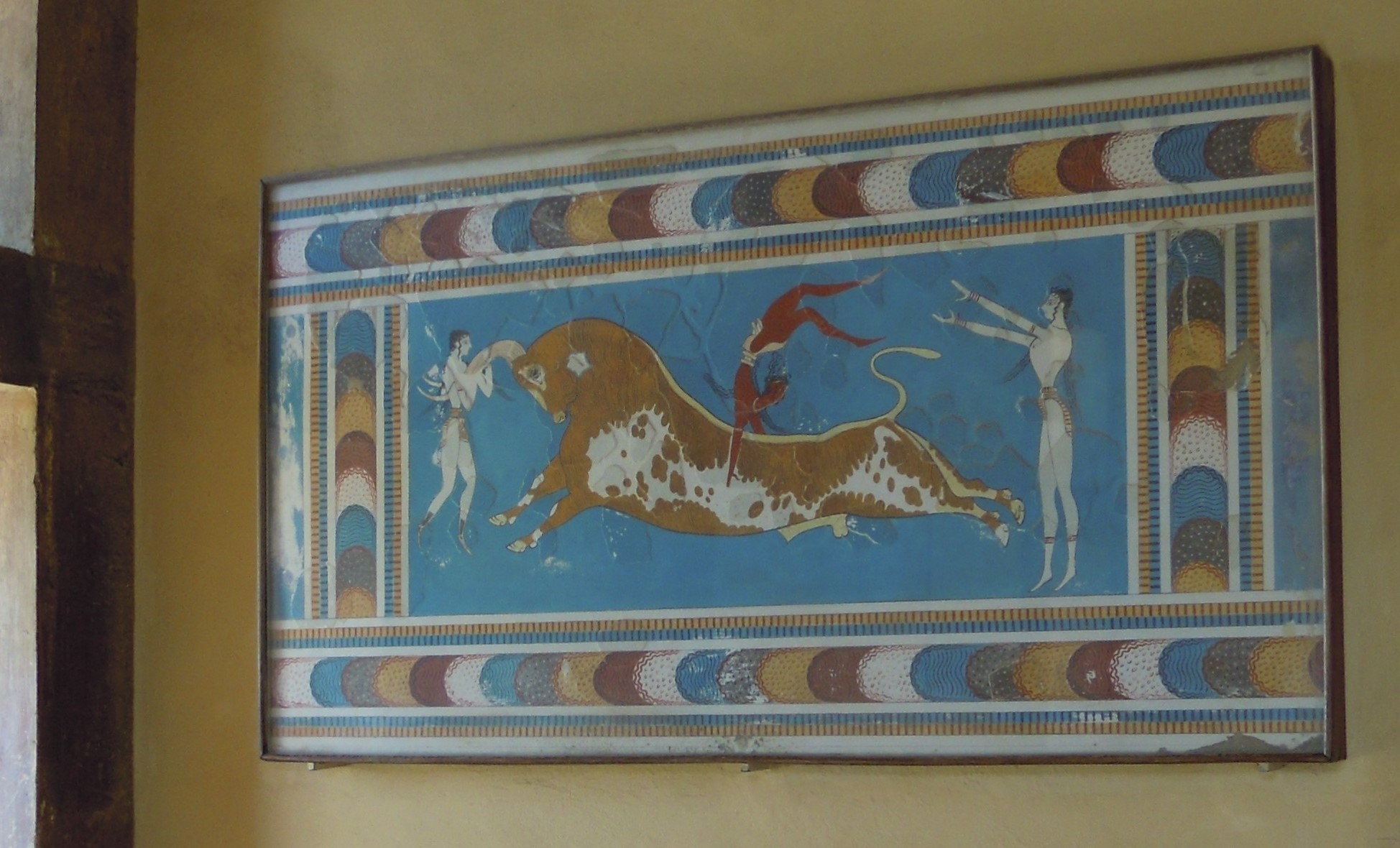
Bull Leap Fresco at Knossos Ruins in Crete

COMMENT

Leaping off the Page

My fiction turned real a few days ago when I was working on a bull-leaping scene for my book of ancient Crete, trying to give the work more dazzle with yet one more edit. The Cretans did leap bulls with long, sharp horns back in 1470 BC, and they painted frescoes to illustrate it, like the one shown here.

Bull Leap Fresco at Knossos Ruins in Crete

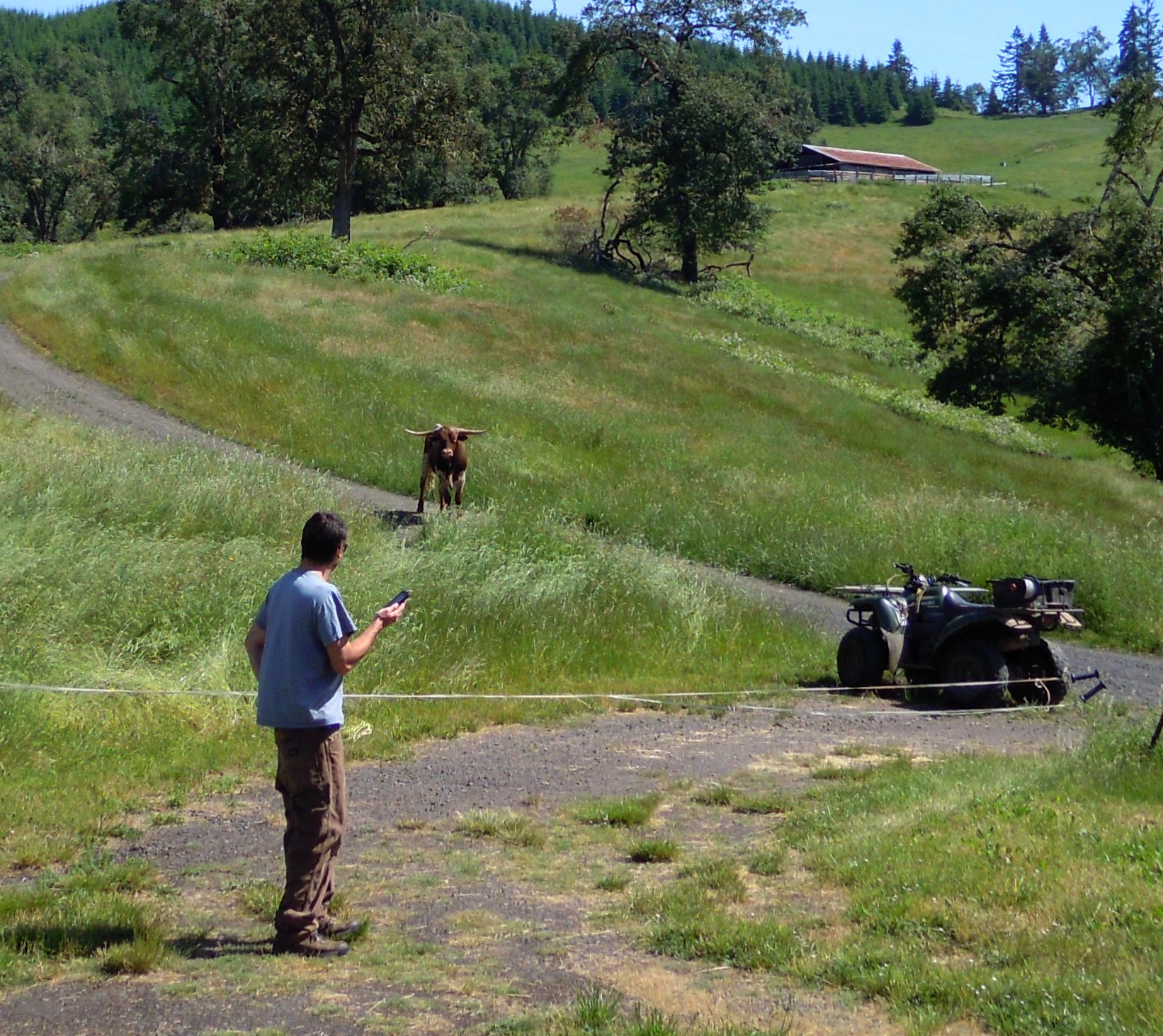
I wanted to portray the scene so a reader could live it with me. I was digging through the unabridged dictionary checking on a word for that very scene. Imagine my surprise when a similar bull with very long horns charged onto my property.

Unwelcome visitor arrives ~ Photo by Robin Loznak

Now, there’s a little inspiration for dazzle. I had recently contracted with developmental editor Judith Lindbergh to review the first 126 pages. And review she did. She was thorough and incisive. It was a little overwhelming. No, strike “a little.” Edit that out. It was overwhelming.

But I was plowing through, sort of like that visiting bull plowed through fences. New inspiration struck. I became excited, obsessive.

All progress stopped when I looked out my window and saw this fellow coming down my road, wagging his impressive horns.

Bull approaches Trevor

Trevor Cooley, who helps his dad, Ed, run cattle on my place, had a problem on his hands. The bull had already burst into the fields below to challenge Ed’s bulls and steers. Here, right outside my door,  the critter tossed his head at Trevor with an aggressive display. That electric wire gate looked mighty thin as Trevor phoned for help. I grabbed the camera, keeping the front door open and assuring Trevor he could run inside if need be.

The bull kept coming.

Too close for comfort

Trevor flung a little gravel at him and the critter turned away to trot down the grassy slope, tangling himself in electric fencing as he went. But he soon broke through and made his way down into the brushy gully.

By evening someone had located his owner. The man walked right up to him–almost. I was impressed. The owner couldn’t quite catch him and couldn’t drive him into the corral. After many tries he gave it up. The next morning the bull was gone. Last I heard it was on the far side of the mountain at the neighbor’s property.

But the bull did leave me with a touch of reality for the story.

My protagonist leaps a horned bull like that, one that even has a similar dapple-brown coat like the bull shown in the fresco. She has help. Grapplers hold the bull by the horns while two young men kneel in front of him, hands together. She jumps on their hands for the lift she needs to soar up and grab the ridge on the animal’s head between the deadly horns. Then she performs a front flip, her feet going over her head and down on his back–the critical crossing. One more flip and she lands on her feet on the ground behind him, into the arms of her catcher.

Of course, it being a story, the thing can’t go that smoothly. It needs tension. It needs dazzle.

Watching that bull, I was glad my protagonist did the leap, not me.

COMMENT

Milestones in Rewriting

Back in February of this year I announced in a blog post that I had done a major rewrite on Book One of my trilogy set in early Greece. Having put so much effort into recasting the story, I felt certain I had it ready this time. After all, I had been improving it for 20 years. I proceeded to update Book Two and Book Three to reflect those changes and wrote a blog post in early April on the whole trilogy, putting a bow on it.

Revised Trilogy

I thought it was done.

With that accomplished I headed out in late April on my trip to Europe to research settings for the full series, having drafted six books so far.

The emphasis on my trip was the second trilogy, since I thought the first was essentially complete. Of course I was open to any tweaking my new explorations might dictate.

My impulses first drew me back to the center of it all, the fabulous ruins of Knossos on the Greek island of Crete. I hoped I wouldn’t see anything that would require significant changes, but I opened my senses to the wonders around me.

Charging Bull Fresco, Knossos
Room in the Palace/Temple of Knossos

On my return home I was happy to report that in the first trilogy my descriptions held up. Except for a couple of additions I wanted to make in Books Two and Three, that trilogy was virtually ready to go.

Then reality hit. I received a harsh critique on Book One. Because of that critique and because this first book is the foundation of the entire series, my agent asked me to focus only on this one now and to give it another thorough revision with feedback from new readers. Another comprehensive rewrite!

I backed up and approached it one more time. I plunged into new research, including discussion with experts on the setting and technology. I gave it substantial new polishing, new scenes, clipping and reshaping of old scenes. I received new critiques by beta readers who never saw it before, did more adding and clipping to address their concerns, and more thorough polishing to see that everything works together.

Last February I thought I couldn’t make it better. Now I know I could because I have.

Remains of Stepped Portico, Knossos

Besides all that clipping and adding and reshaping, whispers of memory infused the pages from my recent visit to the site. I could see it more clearly through the eyes of my characters because I had just seen it through my own eyes.

Yesterday I sent off the new rewrite of Book One with hope that this time is the charm. Fingers crossed. I can say for certain it’s another milestone in the process.

COMMENT

The Trilogy ~ Or First Three

So, here it is–a trilogy–wrapped up with a bow on it. Or first three in the series.

These epic historical novels of adventure and romance bring to life the exotic world of the ancient Greek Isle of Crete, and I’ve been working on the series for many years. They just got a comprehensive update and a new bit of polish.

I thought these books were finished in 2015 when I completed Book Three, Talia’s story, which started out with some special help from my muse, as described in a 2015 blog post. (Note: If you come across one of my posts that Talia’s story was labeled as “fourth in the series,” please note there’s been some juggling and additional stories, so I plan to present Talia’s as the third now. The one that was third will be Book Four. And I don’t know that I’ll separate the first three as a trilogy.)

Anyway, after thinking these three were done, my agent sent me back for changes in Book One, Helaina’s story, the foundational book in the entire project. I talked about that in my last blog post, The Rewrite.

The beauty of writing a series is that you set up your scenario–which in an ancient historical novel means creating a world–and you carry that into the next books. That world becomes familiar and real. I know these characters who walked the earth more than 3,000 years ago. I know the places they walked. I know their children, who grow up and carry their society forward, meeting the challenges of their day. The stories are fictional but the people and places are as true to life as I can make them, based on the archeology and other clues left behind.

The down side of writing a series is that you have to maintain consistency. This can be difficult enough in a large novel. Were her eyes green or blue? Did the ships have oars or just sails? Was the bridge north of town? Or south? What was his father’s name? When you have multiple stories, that consistency has to be maintained through a lot of pages.

Ah! Thank goodness for the search feature. And character notes.

I was particularly aware of this need for consistency when I did dramatic, substantive changes to Book One in the big rewrite. Some of those changes trickled down into the other books. So each of these had to be rewritten, if not perhaps as thoroughly. And they had to be read carefully because sometimes the effect of changes can be subtle.

This latest rewriting project has kept me busy for long days since the big rewrite of Book One, which got underway shortly after Christmas. Kudos to my beta reader Carisa Cegavske for her insightful feedback on all three.

Now it’s a pleasure to see them done–hopefully done, unless my agent recommends more changes. I am so glad she nudged me to the rewriting, because they all feel so much stronger. It’s all part of the process. Write. Rewrite. Feedback. Rewrite again. More feedback. And one more time. And again…

COMMENT

The Rewrite

As every writer knows, the rewrite is an integral part of writing. Nobody lays down a perfect manuscript in the first draft. However, there are rewrites, and then there are major rewrites.

If I’ve been a bit absent from social media lately it’s because I was in the throes of one of the majors. And all I have to show for it is a pile of paper. It’s there. And it’s in that laptop. All that work and for now that’s all I can show you.

Two months of work, long days. Nothing to show but words. How do I show you the places I’ve been in those two months? The exotic city of an ancient civilization, the sparkling Mediterranean, the craggy mountains of the Greek Isle of Crete. How do I share the joys and fiery passions and torments of people living their lives in the harrowing times I’ve experienced with them? The words.

I could tell you about these people, these places, but until you read the words I don’t want to spoil the story for you. What a pleasure when my critiquers plunge into that story and I can talk to them about the people I’ve been visiting for two months–no, not just visiting. I’ve been living their lives, seeing through their eyes

So what’s different about this rewrite? For starters, I wrote its first incarnation over 20 years ago. And I will say it’s easier to sit down and write a new one than to bring an old one up to speed. I learned a lot as a writer in 20 years.

It’s a book I have declared finished probably a dozen times, maybe more. In its early incarnations I submitted it to agents. I read it in critique groups and open mike sessions. And I revised. While the story grabbed readers it never quite lived up to the excellence it needed. In this time of the Olympic games I would have to say it didn’t quite qualify for the gold. So what could I do?

In recent years this book has become the foundation story of a series–or a couple of trilogies. Having written six of these books now, I have quite a bit of creative energy invested in the project. Because I loved this story I told myself it was as good as the new ones. But was it? It’s so easy to look at something that sounds good and tell yourself it’s all right. So easy, for instance, to accept that this scene should be written this way from the viewpoint of this character. But what if I change viewpoints? What if I add all-new scenes? Is that scene even necessary?

My agent kept nudging me until I finally took a hard look at it and found so much I had left intact from the early incarnations that no longer worked. Once I admitted that to myself, I was ready to make substantial changes.

So there it is. Reborn. It’s all in the words.

COMMENT

Writing and Breathing

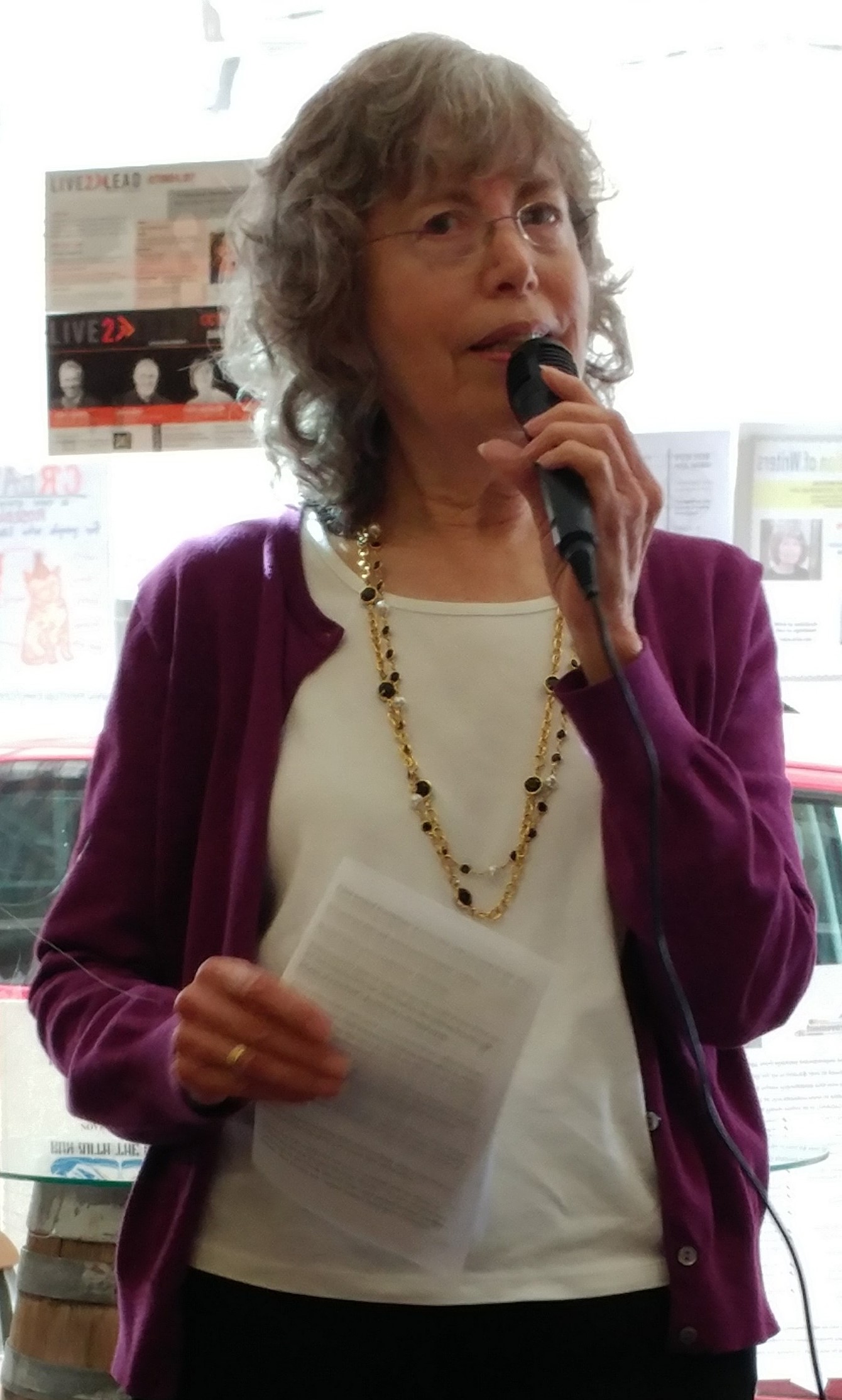
A good crowd turned out for my talk at the Roseburg writers group meeting this week. Thanks to my friend Heather Villa for snapping a photo.

I appreciated the friendly reception and the interaction during our lively Q & A afterward. This being a group of writers, the discussion delved into the writing process.

Every author develops some kind of process for writing a book, and when asked about my own I tried to describe what isn’t so much a daily regimen but a progression through the various stages of the project.

Save

I don’t write every day. I need to take in a lot of information before I’m ready to write a novel.

This could be compared to breathing. Inhale before exhaling.

As a writer of historicals much of that inhaling is research. Read about my subject. Imagine my characters interacting in worlds I discover. Read other novels to see what other authors do. Visit places. Soak in the smells, the sensations. Open myself to the ideas that will come in if I let them. Listen to my muse.

Scribble down what comes. That’s writing of a sort. Exhaling as I go. Some of those notes may find their way into the final pages, word for word.

Eventually I’ll reach the stage where the flood of ideas must be brought to some pattern, an arc of storytelling that will lead me through from beginning to middle to end. Once that’s organized–and yes, I do outline–the story spills out. Then I’m fully breathing out the air I’ve been breathing in. The long exhale.

COMMENT

New Manuscript Ready for Reader

Here’s my newest creative effort, all tidied up for my beta reader Carol Beckley. I’ll print out more for my other readers, Judy Emmett and my daughter Carisa Cegavske.

After completing the rough draft in record time, I stepped away from it for a few days, then read it myself to smooth it out a little and correct the typos. Odd things appear sometimes when my fingers move fast. I always go through it twice at this point–once on the computer, once on paper. I still see a lot on paper that I pass right over onscreen.

It will need many more reads and fine tuning, but getting it ready for readers is another landmark in the process.

As noted in my last post, this is the third in my trilogy centered in ancient Ireland. The working title is Pushing the Tide. This trilogy is an offshoot of my trilogy set in Minoan Crete. Altogether these epic historicals cover a 100-year period from 1470 B.C. to 1370 B.C., following families who face profound challenges affecting their world. The stories are filled with adventure and romance–sailing and swashbuckling, thundering horses, moments of laughter and tears and of intimacy.

Just as I was finishing this one another story in the series began to grow in my mind. So the epic continues.

COMMENT